


The Press in Martinique
From the underground press to today’s media, Martinique has a long history of news and debate. This feature traces that history, based on the account provided by *Antilla* in its 30th Anniversary Special issue.
Martinique did not wait for the modern era to tell its story. «The press arose from the natural evolution of bringing together men and women of different origins,» wrote Antilla on the occasion of its 30th anniversary. From this history of encounters and struggles, a journalism of conscience was born.
01A press born out of the country's own evolution
«Our weekly newspaper was founded in 1981. Of course, Martinique didn’t wait for it to evolve. Neither did the press,» Antilla noted in its anniversary issue. For the Martinican press is the product of a society shaped, over the centuries, by influences from Africa and Europe, then from India and China, and finally from Syria, Palestine, and Lebanon.
From the abolition of slavery on May 22, 1848, to the affirmation of an identity, every stage of this history was an evolution—and at times, a revolution. The newspaper was both a witness to and a participant in this process: a space where a diverse society learned to express itself and reflect on its identity.
«A people's way of thinking is shaped and stimulated by its geography, its history, and its eternal quest for answers.»
02A Press of Conscience and Activism
Very early on, the newspaper became a symbol of dignity in Martinique. The activist press, much like Justice, is at the forefront of the country's social and political struggles. Its director, the journalist André Aliker, who was assassinated in 1934 for exposing fraud, remains the martyr of press freedom on the island.
Later, The Progressive will be the spokesperson for the Martinican Progressive Party of'Aimé Césaire, whose philosophy—Négritude—continues to shape the intellectual debate.
03Le Naïf: The Media in Martinique Is Becoming More Professional
In the early 1970s, one song changed everything. The Naïf appears in 1973, led by a team that includes Roland Laouchez, Yanes Duquesnay, and Henri Pied. In 1974, Tony Delsham, drawing on the experience of Martinique Weekly, from the monthly comic book magazine M.G.G. and Colik Blag bo kay, joins the adventure.
« The Naïf »It then became a professional publication that revolutionized the very concept of the press in Martinique," summarizes Alfred Fortuné. This commitment to professional standards paved the way for the launch of *Antilla*.
04France-Antilles, the Broadcasting Industry, and the Modern Landscape
In 1964, against a backdrop of political tension, was born France-Antilles, as part of the movement associated with the group Robert Hersant ; it would establish itself as the go-to daily newspaper in the French West Indies. In the years that followed, the broadcast media—including public television (RFO) and radio stations such as RCI—in turn transformed the way Martinicans consumed the news.
It was within this already crowded landscape that a new independent release would find its place.
05Antilla, an independent voice since 1981
In 1981, a disagreement within the Naïve spurs a new adventure. A weekly magazine is launched; its title, Antilla, is suggested by the writer Édouard Glissant. Founded by Henri Pied and Alfred Fortuné, the newspaper makes it clear from the outset that it is independent of both political parties and powerful financial interests.
Since then, Antilla has been «navigating a sector undergoing rapid technological change,» staying true to its brand: a platform open to all schools of thought. Over the decades, its special issues have painted a portrait of the country's leading figures and major themes.
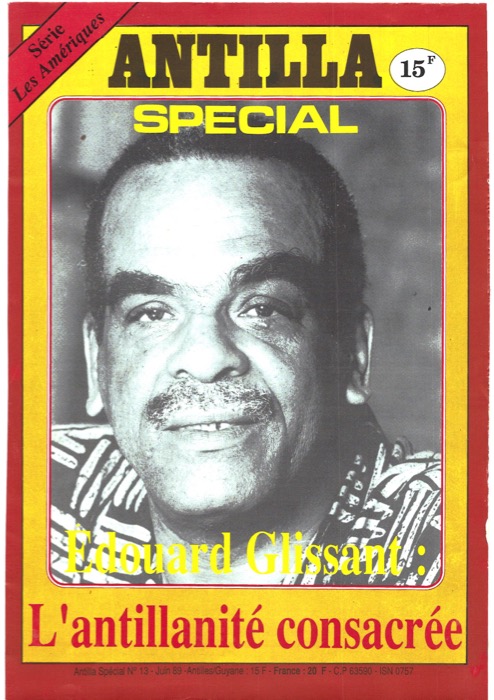
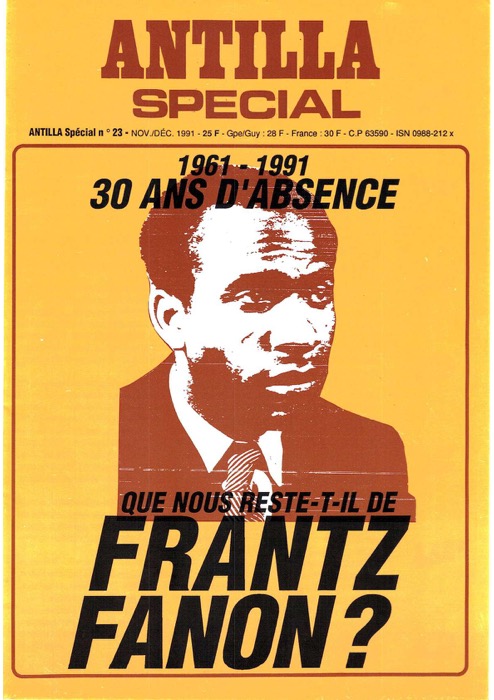
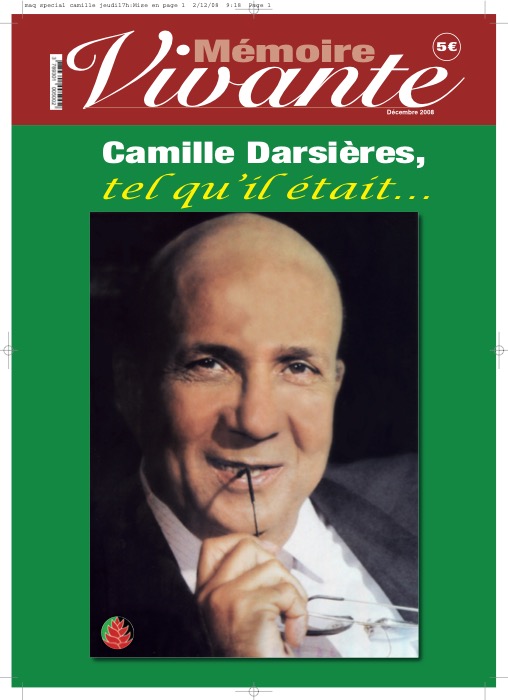
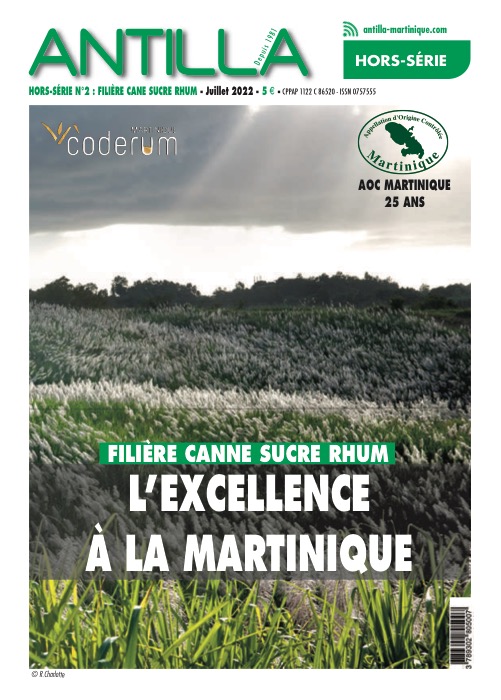
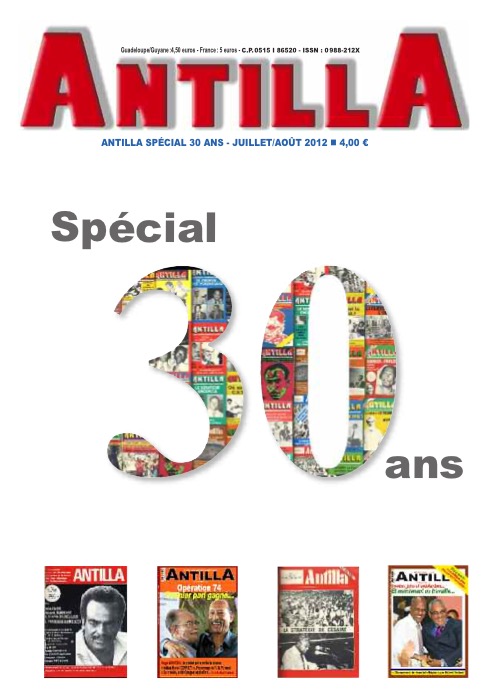
Download the special issue of Antilla for free — Antilla, 30th Anniversary Special (2012).