

Antilla · Caribbean series
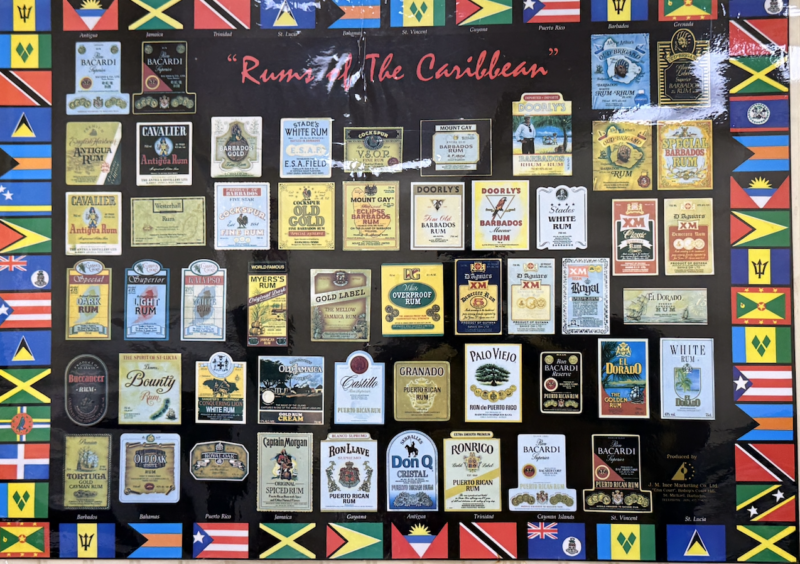
A few kilometres from Martinique, other territories also live with sugar cane, with rum, with centuries of history, and with a question that has become central.
« How can we turn this heritage into value, into jobs and into a future? »
During a stay in Barbados, Antilla went to meet those who produce rum, those who defend it and those who are thinking about its future. From Monday, we will publish a series of major interviews to look at what is being built around us.
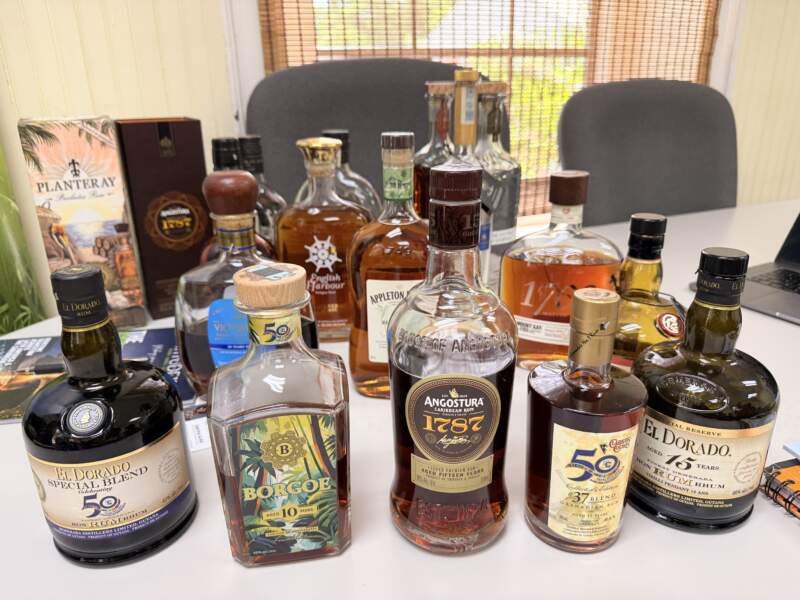
This is not about deciding whether Barbados rum is « better » than Martinique’s. The question would not, in fact, make much sense. A Martinican agricultural rhum, a Barbadian rum, a Jamaican rum or a Demerara from Guyana are the products of different histories, raw materials, techniques and cultures. That very diversity is one of the Caribbean’s riches.
Our intention is different: to look at what others are doing.
How do they protect the name of their rums? How do they try to keep more economic value on their islands? How do they approach international markets? What do they think of moving upmarket, of ageing, of geographical indications, of the environment, of passing on know-how?
And above all, what place do they imagine tomorrow for Caribbean rum, faced with whisky, cognac and the other great international spirits?
During our stay in Barbados, we put these questions to very different people. Their answers are not always the same. That is precisely what makes them interesting.
Richard Seale, at Foursquare, argues forcefully that the Caribbean can no longer be content to ship a raw material or bulk rum while the ageing, the bottling, the brand and a large share of the added value are built elsewhere. He also watches with keen interest what Martinique has achieved with its AOC and the protection of the origin of its rhum.
Don Benn, Master Distiller at the West Indies Rum Distillery, tells the story of rum from inside a distillery, with its fermentations, its stills, its men and women, its investments, but also a conviction: rum belongs to the culture and the life of Barbados. For him, the future also runs through training, technology, research and far greater cooperation among Caribbean producers.
At Mount Gay, with Antoine Couvreur, Chief Executive, Trudiann Branker, Master Blender, and Justine Schneider, Senior International Brand Manager, more than three centuries of history paradoxically lead to a great deal of talk about the future: the return of cane to the estate, traceability, new ageing, moving upmarket, sustainable development, winning over new consumers, regional cooperation. One of the oldest rum houses in the world intends to show that tradition and innovation are not contradictory.
But we wanted to begin even « higher up », at the scale of the whole Caribbean region.
This week on Antilla
Monday 24 August
Vaughn Renwick: what future for Caribbean rum?
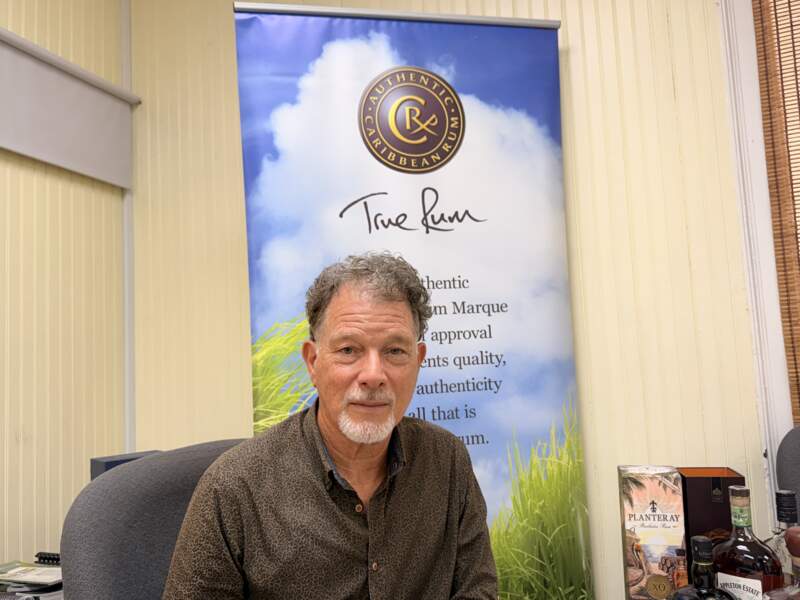
Our first meeting is with Vaughn Renwick, Chief Executive Officer of the West Indies Rum & Spirits Producers’ Association (WIRSPA), the organisation that has represented the interests of Caribbean rum producers for more than fifty years. Around thirty producers, fifteen CARIFORUM countries, craft businesses as well as very large industrial groups: Vaughn Renwick looks at rum on a regional scale. And his message is of direct interest to Martinique.
Geographical indications, market access, moving upmarket, research, the environment, China, India, cooperation with Martinique and Guadeloupe: he explains why territories must preserve their own identities while learning to present themselves together to the world. Because in Shanghai, Delhi or elsewhere, the consumer does not necessarily distinguish Martinique, Barbados or Jamaica first. They also see the Caribbean.
On Monday, we will ask him: can Caribbean rum become, tomorrow, a major international competitor to whisky and cognac?
Wednesday & Thursday
Two men, two ways into Barbadian rum
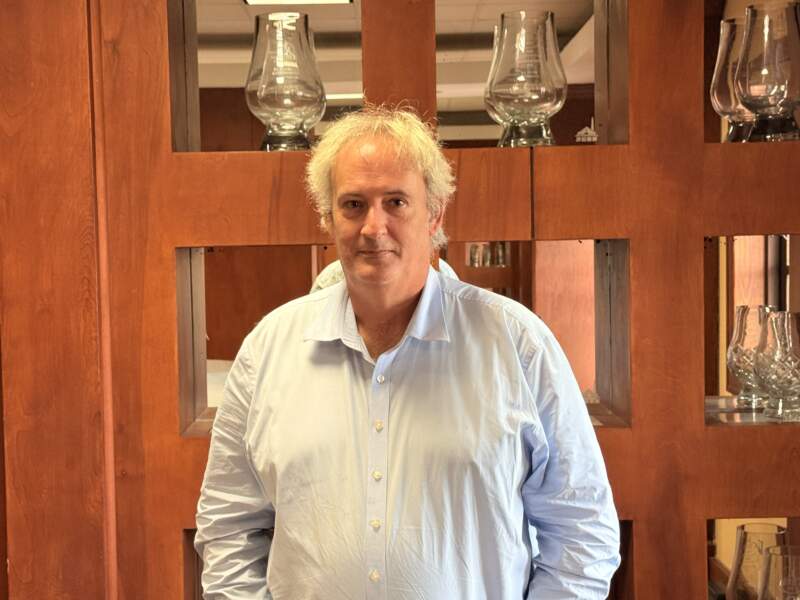
On Wednesday, Antilla will step inside the distilleries. First with Richard Seale, head of Foursquare, the fourth generation of a family committed to rum. His fight goes well beyond his own brand: where should the value created by rum remain? Why sell a spirit in bulk if the ageing, the bottling, the marketing and the margins are then carried out thousands of kilometres from the island that gives it its name?
Why protect « Barbados Rum »? Why does Richard Seale see the Martinique AOC as an example, while believing that Barbados need not necessarily reproduce it? And why does he argue that the Caribbean will never win the rum battle simply by trying to produce more cheaply?
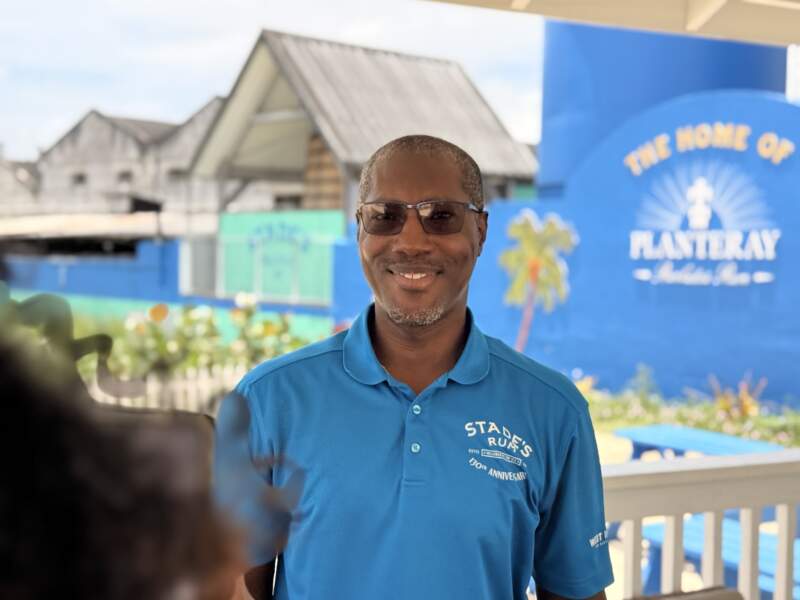
Then we shift perspective entirely with Don Benn, an engineer turned Master Distiller at the West Indies Rum Distillery. With him, we talk about what happens before the bottle: fermentation, yeasts, pot stills, columns, ageing, research on cane, the restoration of historic stills, but also employees, training young people and passing on skills. Another way of understanding that a bottle of rum is also the product of an economy, an industry, a culture and several generations of know-how.
Friday 28 August
Mount Gay: 323 years of history, and now?
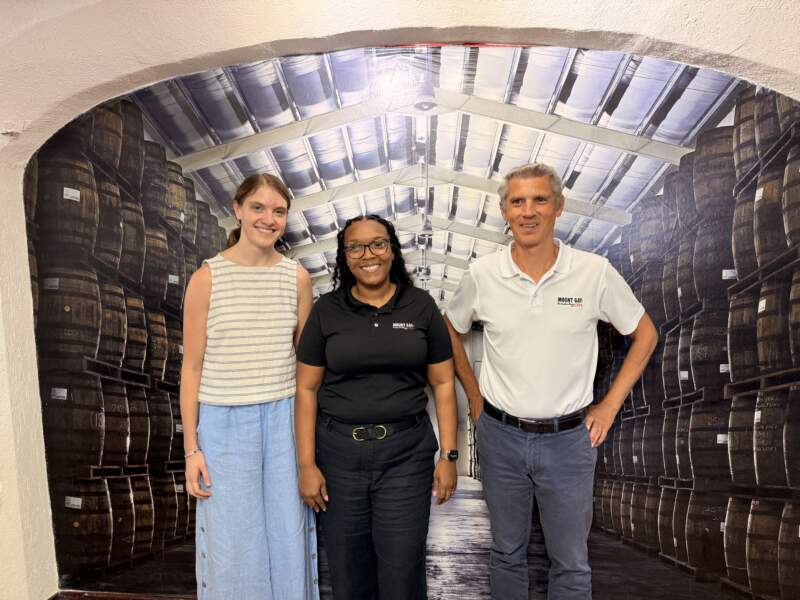
To close this week, we head to Mount Gay, where we met Antoine Couvreur, Chief Executive, Trudiann Branker, Master Blender, and Justine Schneider, Senior International Brand Manager. Mount Gay draws on a history going back to 1703, yet the interview speaks surprisingly little of nostalgia. It speaks of farmland, cane varieties, fermentation, traceability, 15- and 25-year-old rums, new consumers, lighter bottles, solar energy, rum tourism and a possible great Caribbean rum route linking several territories.
The more clearly each island is able to assert what makes its rum unique, the stronger the Caribbean can be collectively.
Justine Schneider uses a more striking image. For her, « Caribbean rum is a sleeping giant that is only waiting to wake up. »
Looking around us
With its agricultural rhum, its AOC, its distilleries and its know-how, Martinique holds an exceptional heritage. This series is therefore not about looking elsewhere for a model to copy. It simply proposes to do what we may not do enough: to look around us, to listen to our neighbours, to understand their difficulties, their successes, their disagreements, their strategies and their ambitions.
Because from Martinique to Barbados, from Jamaica to Guyana, the rums are not the same. And it is precisely for that reason that we have a great deal to learn from one another.
Philippe PIED
See you Monday on Antilla for the first episode: Vaughn Renwick, WIRSPA, and the next twenty years of Caribbean rum.