




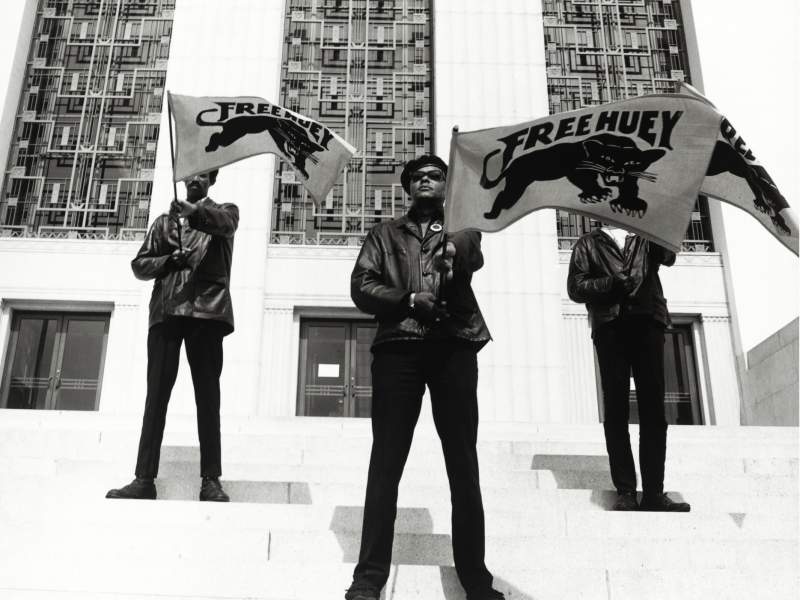
An Afro tucked into a black beret, sunglasses on, a black leather jacket adorned with pin buttons, a gun slung over the shoulder, and a raised fist. This is the uniform of the Black Panther Party.
Although the impressive uniform caught the public's attention, it was not just a passing fad.
From head to toe, the uniform worn by many members of the Black Panther Party was both strategic and symbolic. This uniform marked a break from the attire worn by many members of the Civil Rights Movement. During that movement, participants dressed professionally, elegantly, and, according to some, «in Sunday ». Suits, dresses, skirts, and neat hairstyles made up the uniform of the Civil Rights Movement, as Black people wanted to be treated with dignity and respect. This uniform reflected African Americans’ desire to have their demands for equality taken seriously. In contrast, the Black Panther Party’s uniform deviated from this ideology, as its members sought not to conform but to challenge white norms and the politics of respectability.
The Black Panther Party's uniform was iconic for its visual appeal and unisex design.
At a time when gender roles were evolving and women were emerging as activists, the image of women in the Black Panther Party wearing berets and carrying weapons was revolutionary. In the public eye, the Black Panther Party’s unisex uniform symbolized the inclusion of women within the organization. However, although the Black Panther Party included women, the organization did not always include them. Women played an important role in the Black Panther Party’s success, yet they were nonetheless victims of sexism. Despite this, the uniform remains a recognition of women’s power and their value to the organization, and reflects the Party’s belief in Black power, self-determination, and racial pride.
Afros symbolized the Black Panthers« pride in their natural hair. The afro defied the Eurocentric beauty standards imposed on Black people. African Americans often straightened their hair to fit into American society, as it was difficult to find a job with natural hair. Straightening was a means of survival. However, the men and women of the Black Panther Party challenged this narrative by adopting the Afro, demonstrating that straightening was not essential for survival. This is how members of the Black Panther Party adopted the slogan “ Black Is Beautiful ». This slogan was a statement to themselves and to those around the world who denied the beauty of blackness. It also expressed admiration for the diversity of skin tones, hair textures, and physical features that make up the African diaspora.
Berets
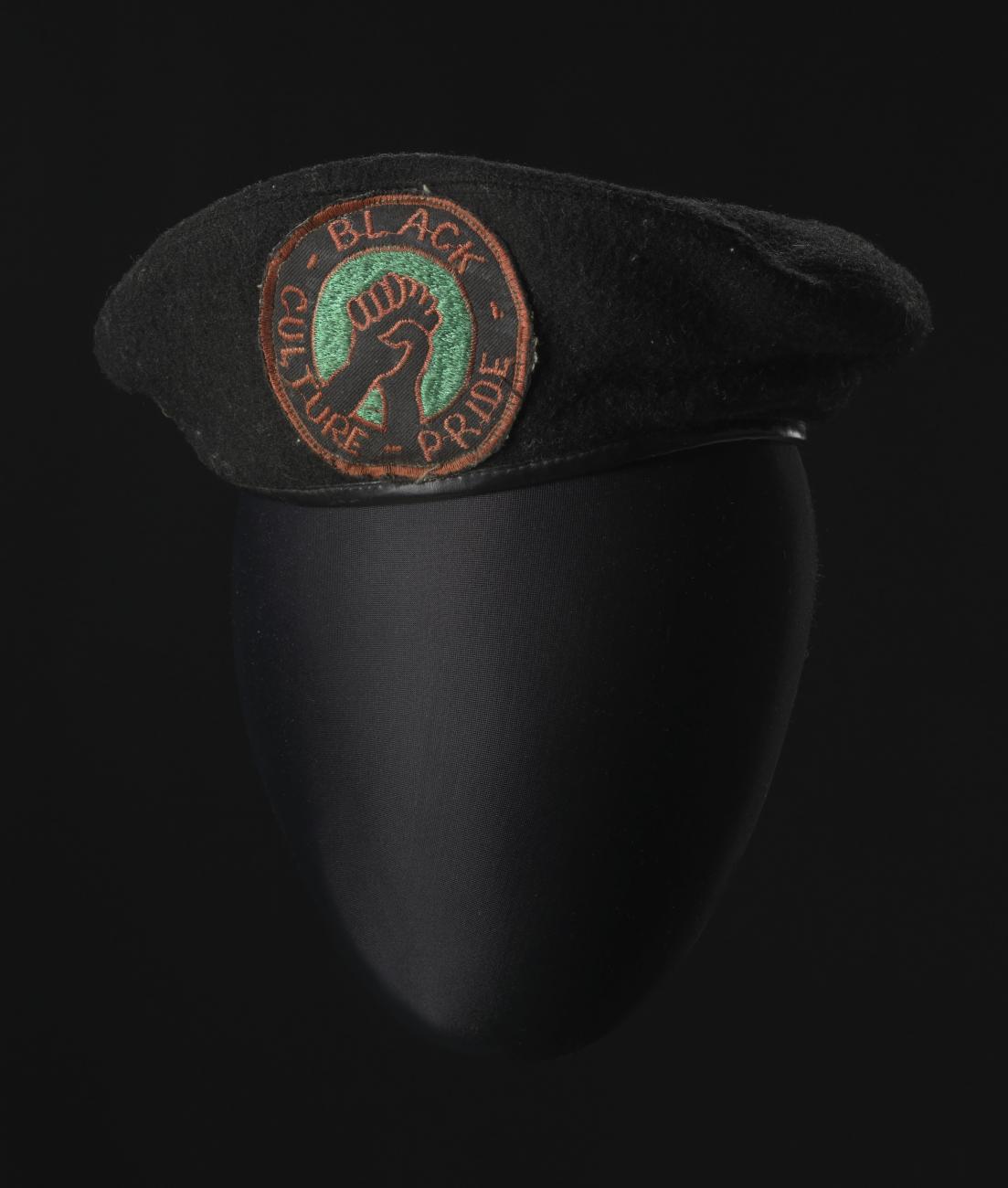
The Black Panthers often wore berets over their Afro hairstyles. The beret is a symbol of revolution. Historically, it has symbolized nonconformity, resistance, and activism; around the world, it is often worn as part of a military uniform. Black Panther leaders Huey P. Newton and Bobby Seale were inspired to adopt the beret as part of the Black Panthers’ uniform after seeing French resistance fighters wearing berets in a movie set during World War II. The Black Panther Party’s revolutionary ideologies and its resistance to police violence made the beret an ideal addition to their uniform.
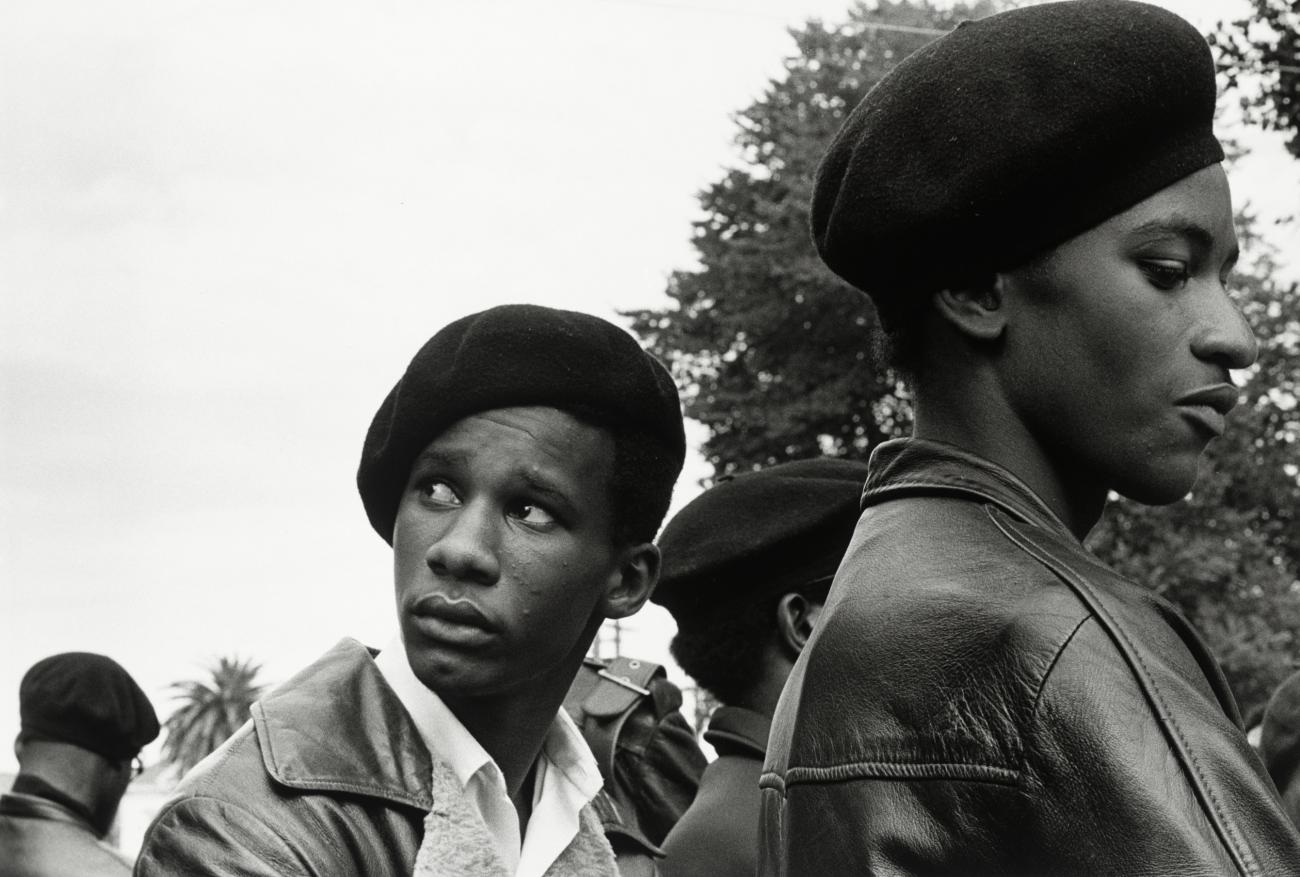
Although they were stylish, the Black Panthers also wore sunglasses as part of their uniform to conceal their identities. The Black Panther Party was often under government surveillance. FBI Director J. Edgar Hoover wanted to put an end to the Black Panther Party and declared it «the greatest threat to the country’s internal security.» Such strong statements prompted Black Panther members to avoid being identified in public. As surveillance intensified, police violence against Black Panther members also increased. This timeline illustrates the extent of the violence and killings suffered by the Black Panthers in 1968 alone. Furthermore, Newton, in his autobiography Revolutionary Suicide (1973) stated that the police were keeping records of Black Panther vehicles and systematically pulling them over. Newton recalls that the police detained him for 30 minutes while searching his car for violations. Consequently, wearing sunglasses to conceal his identity was a way to hide and protect himself.
Leather Jackets
Although worn by most Black Panthers, leather jackets were less symbolic than the rest of the uniform. Bobby Seale convinced Huey P. Newton to use a black leather jacket he already owned as part of his uniform. Since the leather jackets were items that were already in use, their adoption spread primarily for practical reasons. Generally, black leather jackets were worn, but some sections of the Black Panthers also wore green camouflage jackets. Both men and women who were Party members wore leather jackets, but in some cases, the leather jacket was a symbol of the male Panthers and did not represent the women in the Party.

Buttons
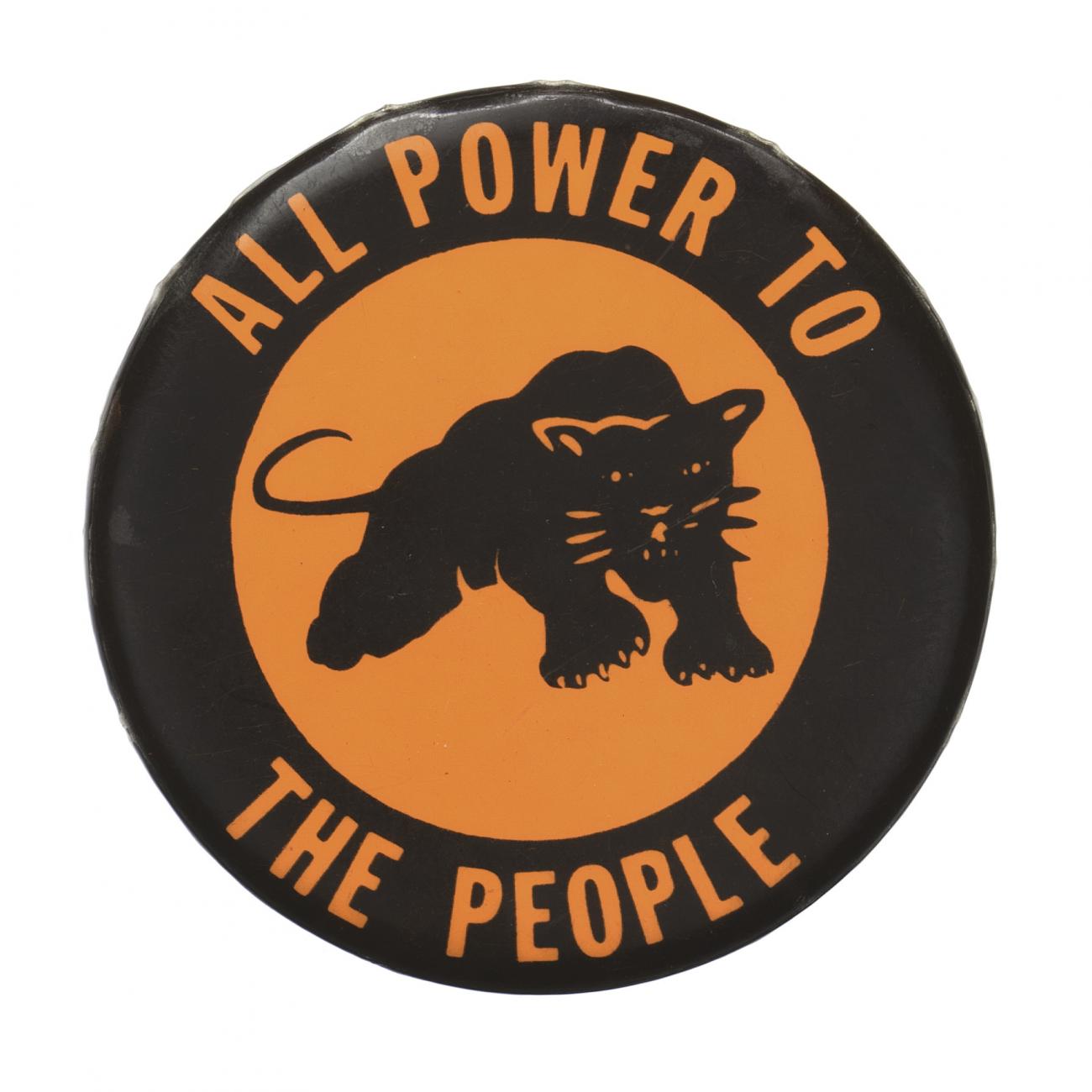
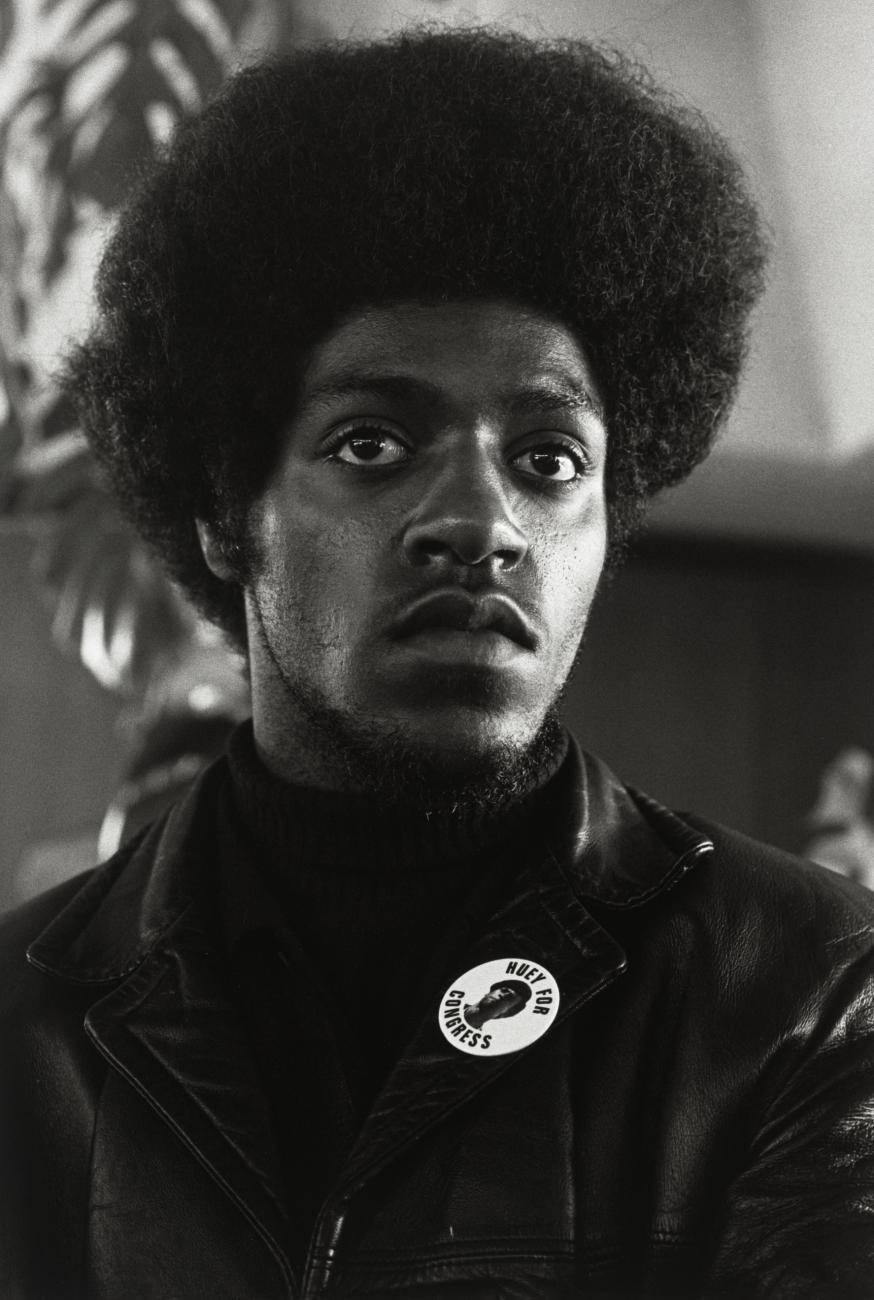
The pins were often pinned to the Black Panthers’ leather jackets and/or berets. Pin badges were used to promote a cause or message. Since they were inexpensive to produce, they were easy to obtain. Historically, pin badges were used in political campaigns and were an integral part of the movement civil rights . However, activists continued to wear them with the emergence of the Black Power movement for similar reasons.
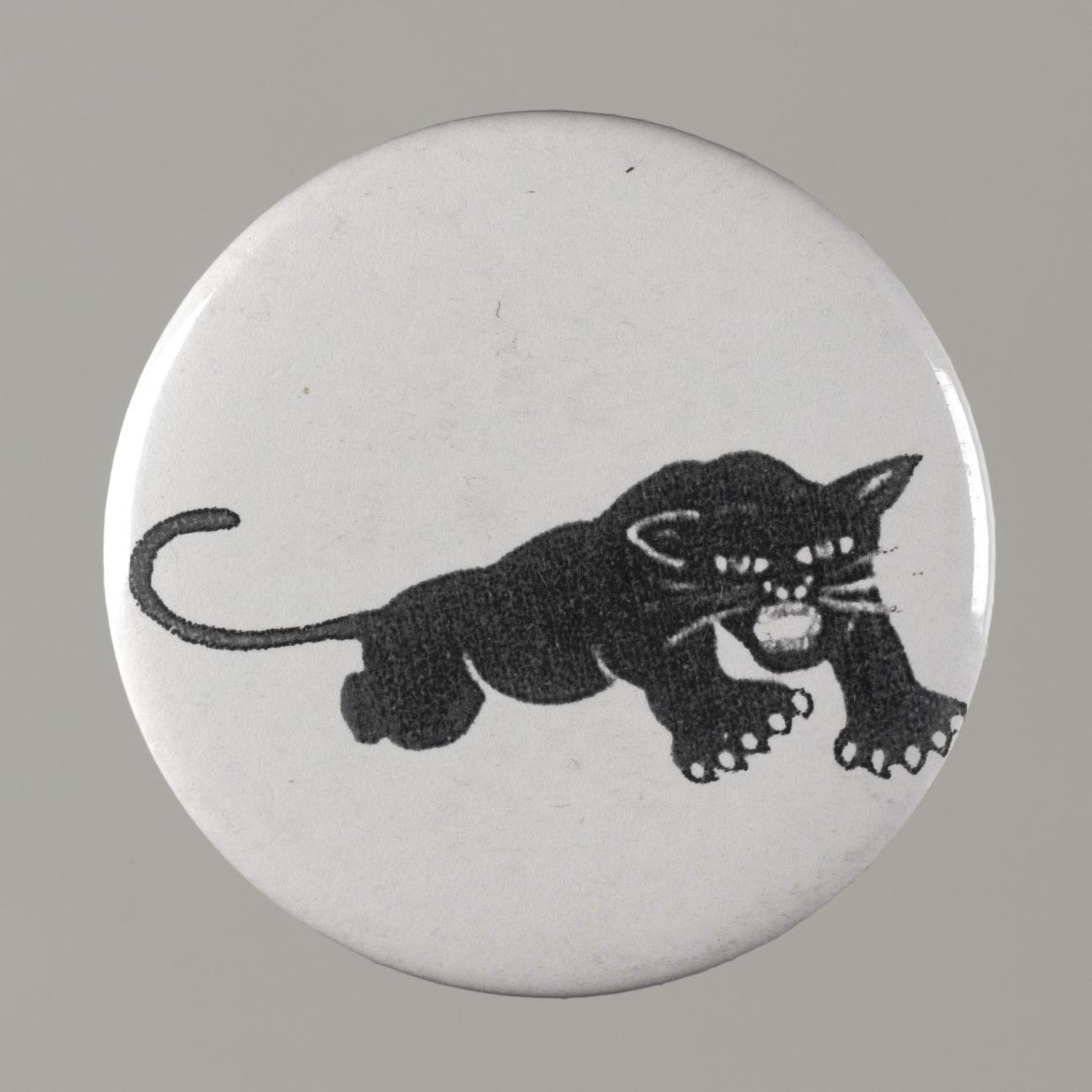
Among the badges worn by the Black Panthers were slogans such as «Huey for Congress,» «Cleaver for President,» and «Free All Political Prisoners.» Other badges promoted causes with slogans such as «Free Huey,» «Free Angela,» and «Free the 21 Panthers.» Many badges also directly promoted the Black Panther Party. For example, there were badges bearing the likeness of Huey P. Newton, badges with a photo of the black panther, and badges displaying the organization’s slogans such as «All Power to the People.» As part of the Black Panthers’ uniform, the badges represented a form of personal commitment, community engagement, and political activism, as well as a way to forge connections with other members dedicated to similar causes.
firearms
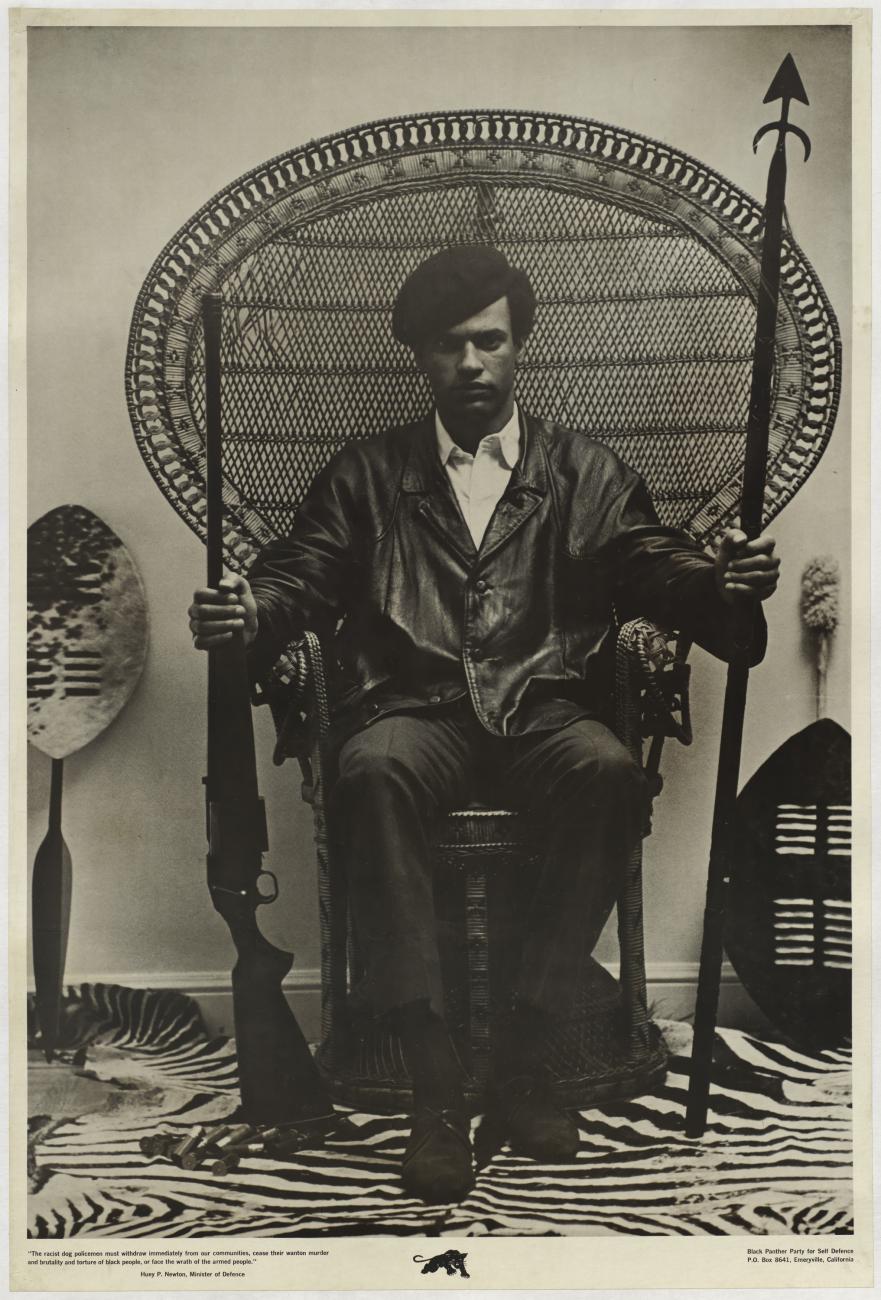
The latest addition to some Black Panther uniforms was a firearm. The firearm was the Party’s most iconic image in the media. However, Party members did not always carry firearms. The main purpose of carrying a firearm was to protect the Black Panthers and their community from police violence. Just as the police excessively patrolled Black communities and harassed Black people, the Black Panthers patrolled the police—armed—with the aim of changing police behavior toward Black people.
Whenever a police officer stopped a Black person, the Black Panthers would stop and watch from a distance, with their weapons visible, until the stop was over. In addition to watching the armed police officers, they would shout and ask the community member who had been stopped if they were being mistreated. Newton knew the law and therefore knew that this tactic was legal and that the Black Panthers were within their rights to use it.
More importantly, carrying a firearm was a symbol of self-defense for the Black Panthers, who sought to protect their community from police violence. This symbol of self-defense prevented them from attacking the police first. They would only fire back if they were attacked. It was their way of embodying the animal that represented their organization: the black panther. The Black Panther Party adapted the symbol of the black panther from the Lowndes County Freedom Organization, Founded in 1965. The animal was perfectly suited to the organization because of its nature.
We use the Black Panther as our symbol because of the very nature of a panther. A panther does not attack anyone, but when attacked, it is the first to back away. However, if the attacker persists, it strikes back.


Black Power
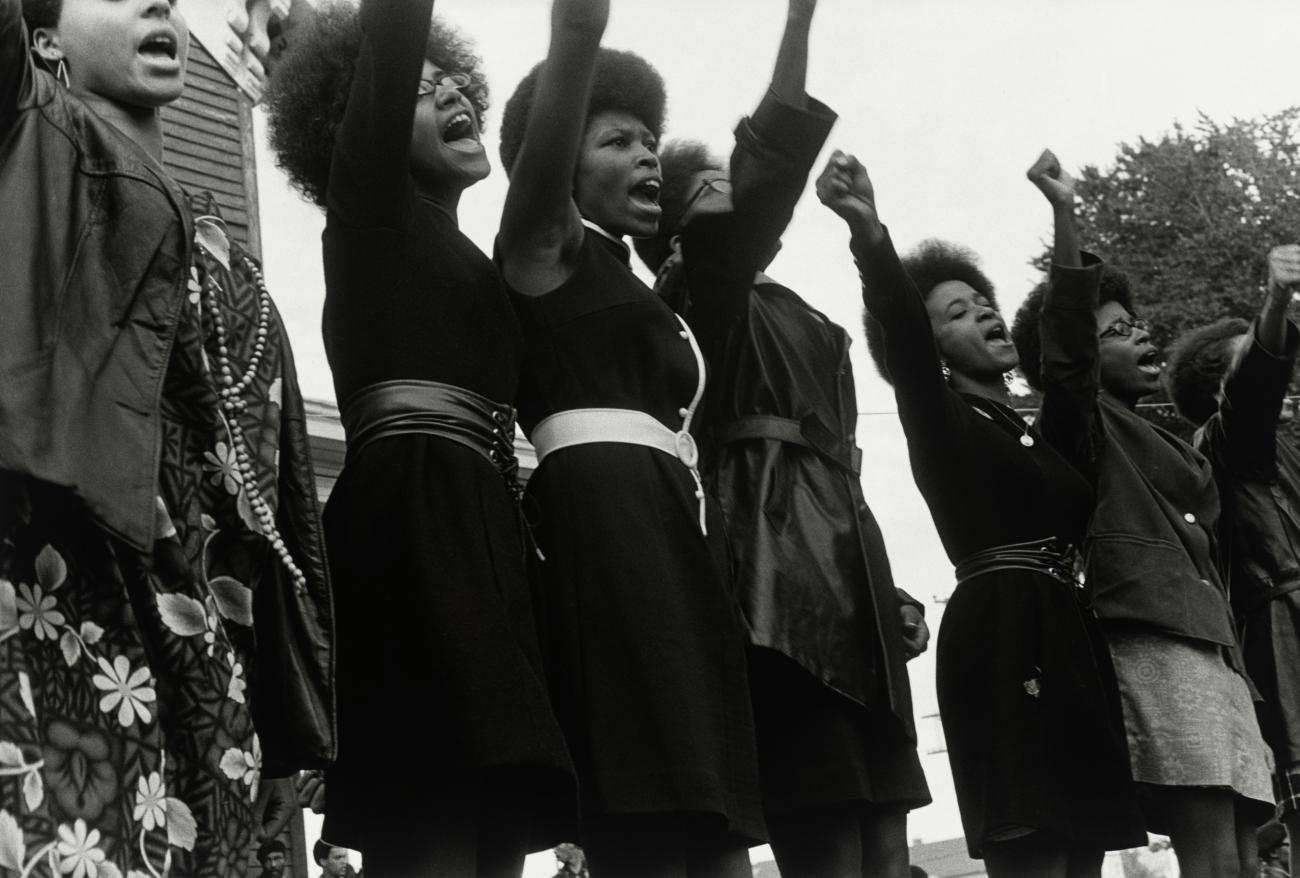
As an extension of their uniforms, the Black Panthers raised their fists and chanted the slogans «Black Power» and «All Power to the People.» Stokely Carmichael, a former member of the Black Panther Party and a staunch advocate of the Black Power movement, coined the slogan «Black Power» in 1966 during a speech at the Meredith March in Greenwood, Mississippi. This phrase emphasizes Black pride and self-determination as a means of liberation.
Black Power empowers people who have not had the power to determine their own destiny.
The phrase «Black Power» endures, as does the legacy of the Black Panthers’ uniform. Not only did this uniform attract attention and help spread the message, but it also influenced future generations. Examples of the influence of the Black Panthers’ uniform can be found in pop culture, notably in the uniforms worn by S1W , a member of the hip-hop group Public Enemy, and by artists such as Beyoncé during her 2016 Super Bowl halftime show. The Black Panthers’ uniform was groundbreaking in the emphasis it placed on Black pride and the ability of Black people to shape their own destiny without conforming. At the time, this was a modern idea for Black movements. This message remains powerful for today’s activists and movements such as Black Lives Matter, inspiring them not to conform but to challenge the status quo in order to bring about revolutionary change, just as the Black Panthers did.
Written by Nateya Taylor, RFS Summer 2022 Intern
Published on September 16, 2022