


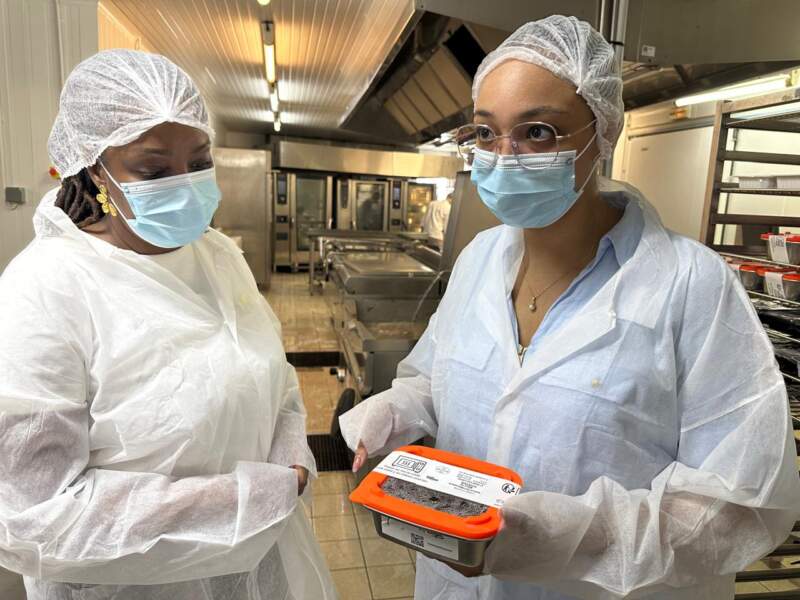
Soges is phasing out plastic in favor of stainless steel for meal delivery in three municipalities in the Espace Sud region. The new reusable containers will be available to 200 recipients.
«No more throwing away—let’s reuse!» In Les Anses d’Arlets—and soon in Le François and Rivière-Salée—meal delivery is going green. Say goodbye to plastic trays as meal containers. Say hello to stainless steel containers with silicone lids and tempered glass. Meal delivery is switching to reusable containers. From now on, you’ll need to empty your container and return it to the delivery person. Soges (Société de gestion d’équipements du sud de la Martinique) has been commissioned by its shareholders (the cities of Le François, Rivière-Salée, and Anses d’Arlets) to manage the meal delivery service. The reusable containers will be distributed to 200 recipients across the three municipalities.
These new stainless-steel trays are microwave-safe. The 200 meals will be prepared at the Ducos central kitchen, which has been equipped for this purpose with a specialized dishwasher and two banding machines.
A cost of 300,000 euros
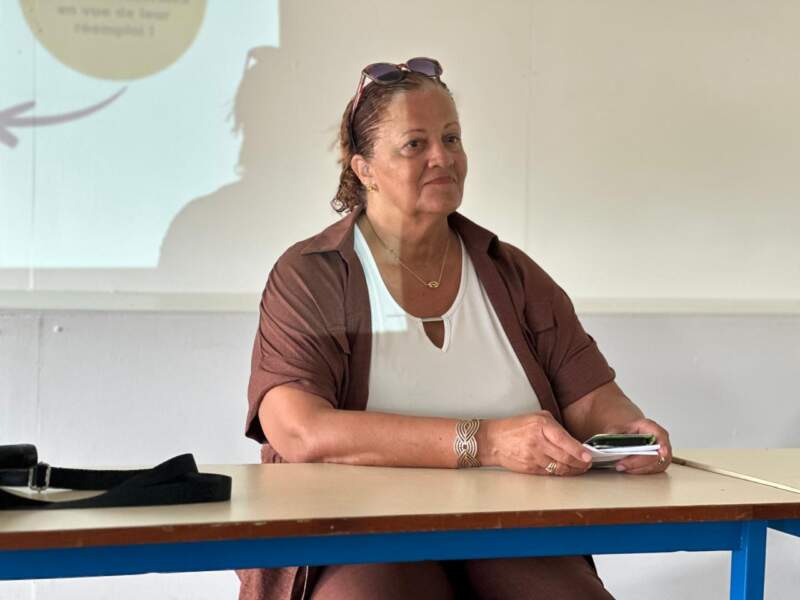
But going green comes at a cost. It took 300,000 euros to implement this plan to roll out reusable trays. Citéo contributed 80% to the project. The goal is to make Soges a «modern, responsible, and forward-looking» organization, explains its president, Sylvia Saïthsoothane. «Given that 1,200 plastic trays are used each day, we began exploring recyclable options to help protect the environment,» continues the president of Soges.
Like many other institutional food service organizations, Soges has been forced to comply with regulations. In fact, since the 1ster As of January 2022, the Agec law prohibits single-use disposable cups, cutlery, plates, and containers for home meal delivery services. Soges initially turned to cardboard and wood packaging. The trial was not successful, unlike the one with stainless steel trays, which won over both recipients and staff. «They keep food warmer. In terms of design, they’re not the same as plastic trays. They look higher quality,» explains Anne-Laure Panevel, QHSE Manager at Soges.
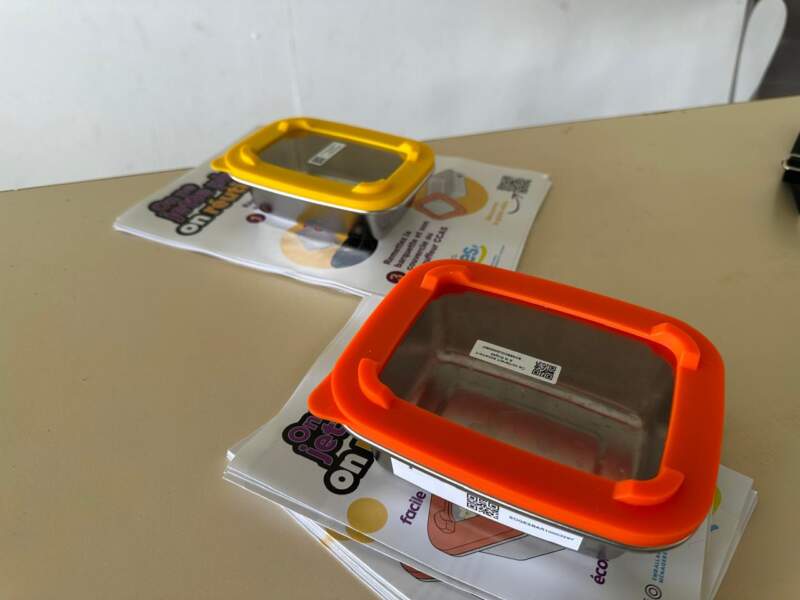
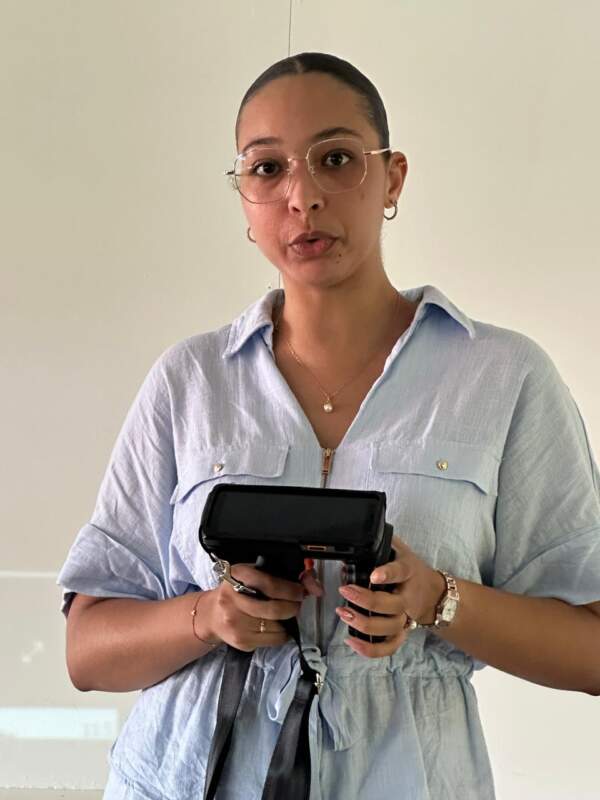
With its stainless-steel container and tempered glass lid with a red or yellow silicone seal, this container looks much more appealing than the beige plastic packaging. But this attractive tray could put a strain on Soges’s budget. In Fontenay-les-Roses, where it is also used, the loss rate stands at 60%. To avoid finding itself in the same situation, Soges has implemented a traceability system using a QR code and RFID (Radio Frequency Identification). «Having good traceability was an absolute must,» says Anne-Laure Panevel. “Given our island location, we can’t afford to lose a tray and then wait three to four months for new ones to arrive from mainland France.” ” A stainless-steel tray costs 12 euros, compared to 12 cents for a single-use plastic container.
The rollout plan is still in its early stages. It has been fully implemented in Anses d’Arlets, where the municipality has a direct connection for meal delivery. Stainless-steel trays for meal delivery will be rolled out very soon in Rivière-Salée and Le François.
Laurianne Nomel
3 Questions for Philippe Moccand, Director of Industrial Strategy and Overseas Operations at Citeo

«Reuse is a practical solution for reducing single-use packaging.»
To mark the launch of Soges’ tray reuse project in Martinique, Philippe Moccand, Director of Industrial Strategy and Overseas Operations at Citeo, discusses the goals of this initiative and the resources being mobilized to support the transition to more sustainable packaging.
Why is Citeo supporting the tray reuse project led by Soges?
This project is fully in line with the strategy we are implementing throughout France centered on the «3Rs»: reduce, reuse, and recycle packaging. The idea is simple: use less single-use plastic by replacing disposable trays with reusable, washable containers for households in Martinique. We have been supporting initiatives like this for several years. The Soges project was launched over a year ago and now represents an important step toward expanding reuse in the region. It demonstrates that it is possible to implement concrete solutions to limit waste generation while maintaining an efficient service for consumers.
What financial support is Citeo providing for this initiative?
Nationwide, Citeo has supported nearly 550 reuse projects since 2023, for a total amount of approximately 120 million euros. In Martinique, we are supporting the Soges project with a grant of 200,000 euros, representing approximately 80 % of eligible expenses. This funding will be used, in particular, to finance the purchase of reusable trays, their traceability system, the equipment needed for their return, their labeling, and a washing machine essential to the system’s operation. The total investment amounts to just under 300,000 euros.
Could other similar projects be launched in Martinique?
We hope so. Projects are selected through national calls for proposals that are also open to overseas territories. Specific incentives are provided for island territories to account for their unique challenges. For now, Soges is the only project leader from Martinique to have been selected in this area. But we hope this initiative will serve as a trailblazer and inspire other stakeholders. The goal is to bring together the entire local ecosystem—retailers, manufacturers, service providers, and local governments—to gradually build a genuine reuse sector across the territory. The overseas territories are fully integrated into this national effort. In fact, last year, Citeo invested approximately 80 million euros in the overseas territories to support projects related to the circular economy and packaging management.