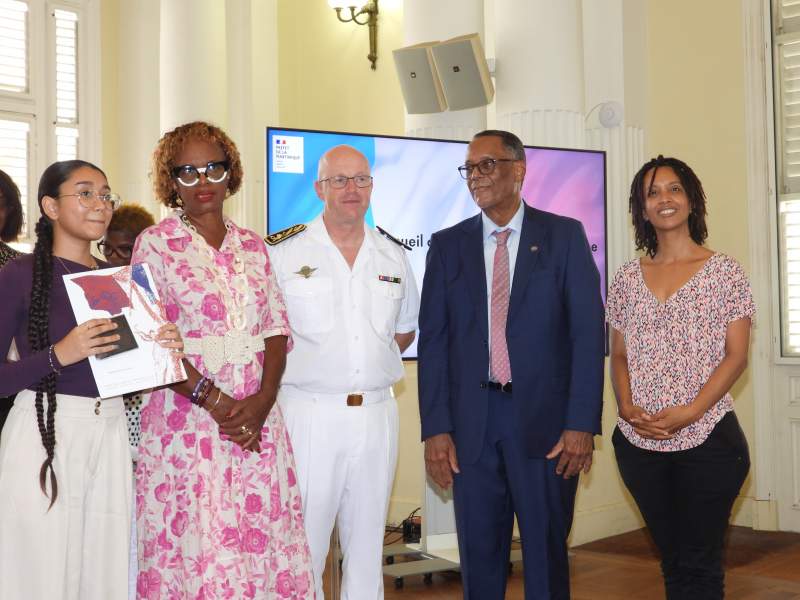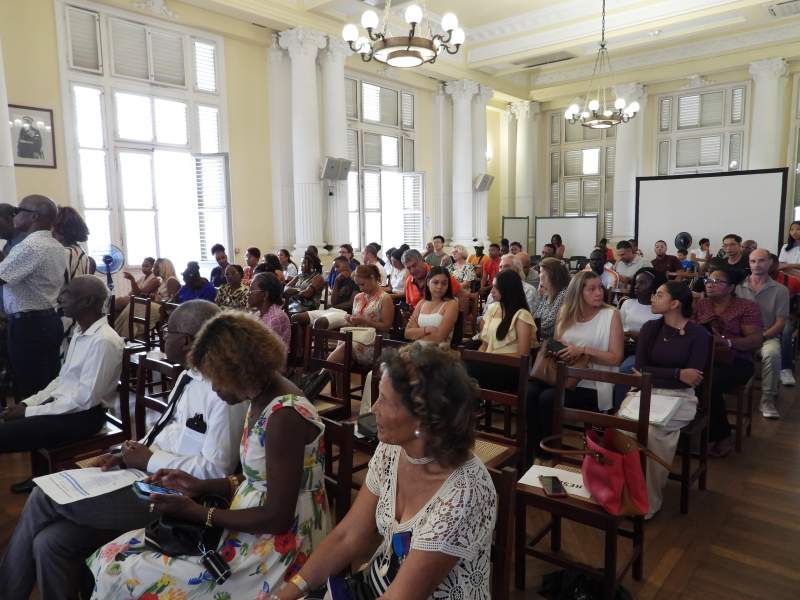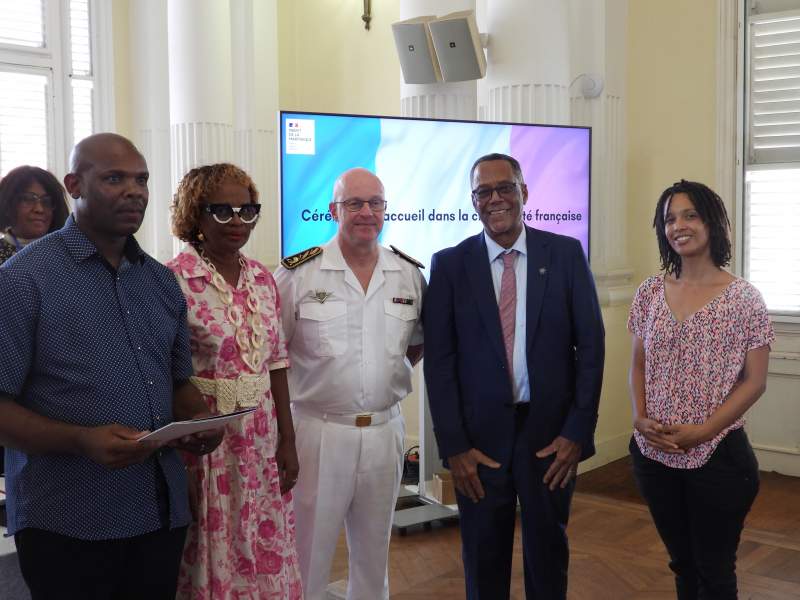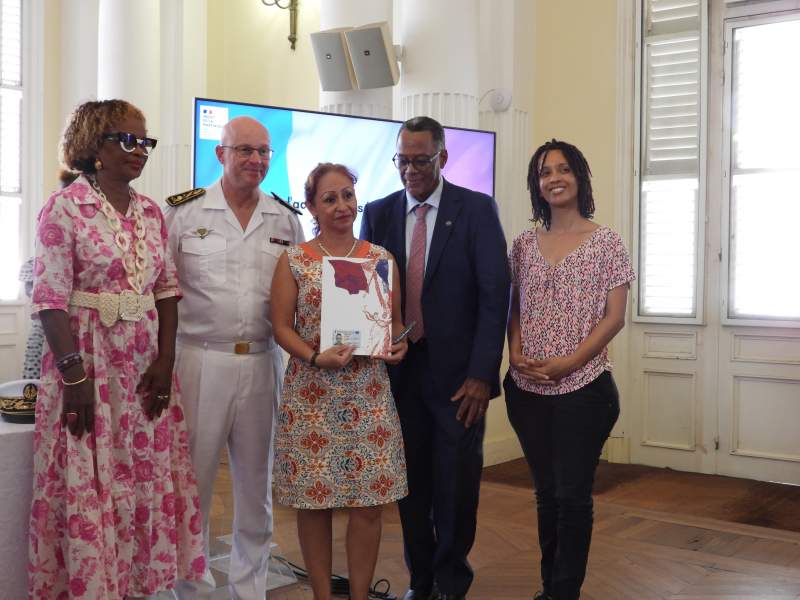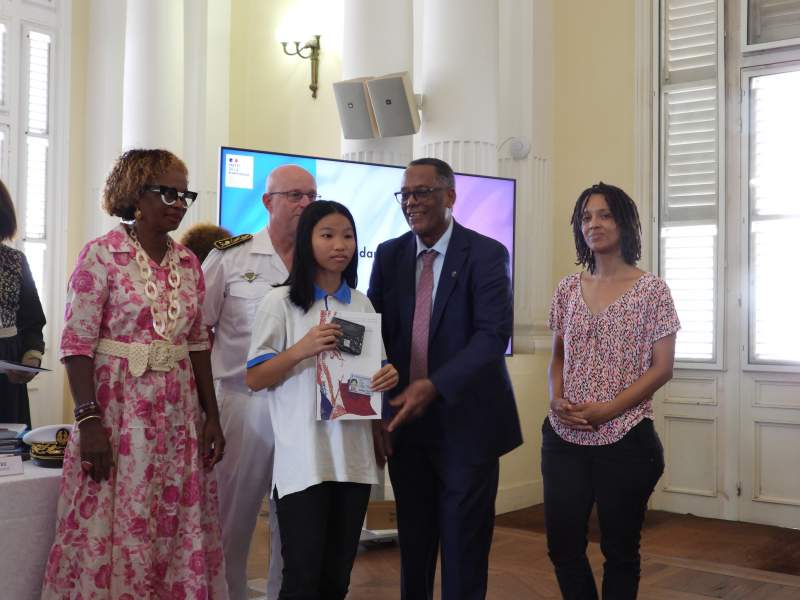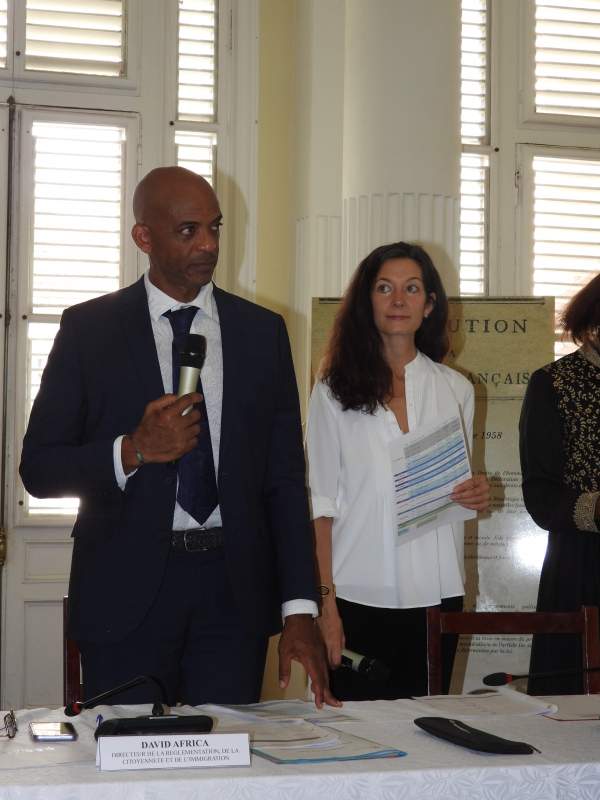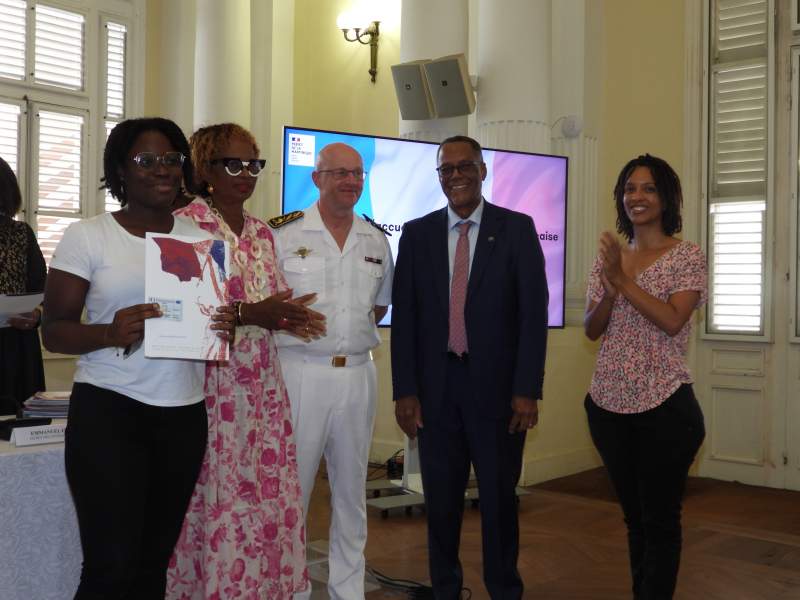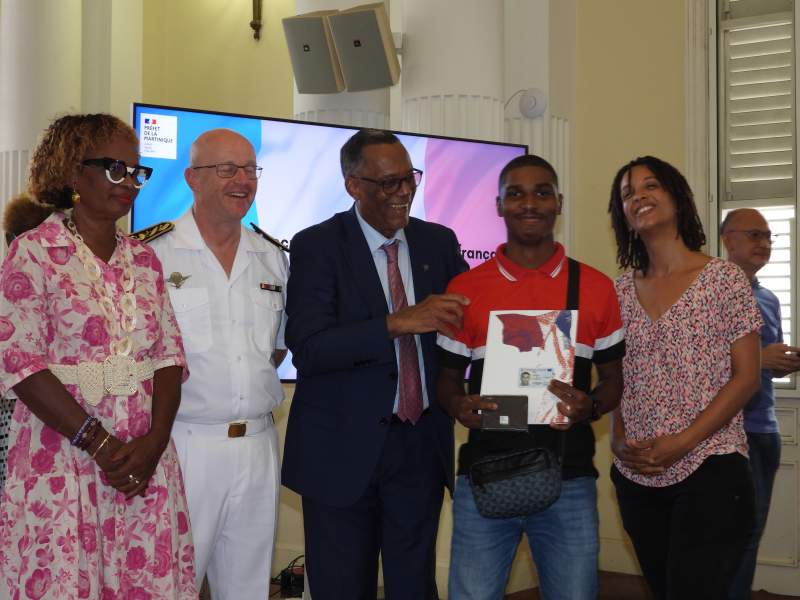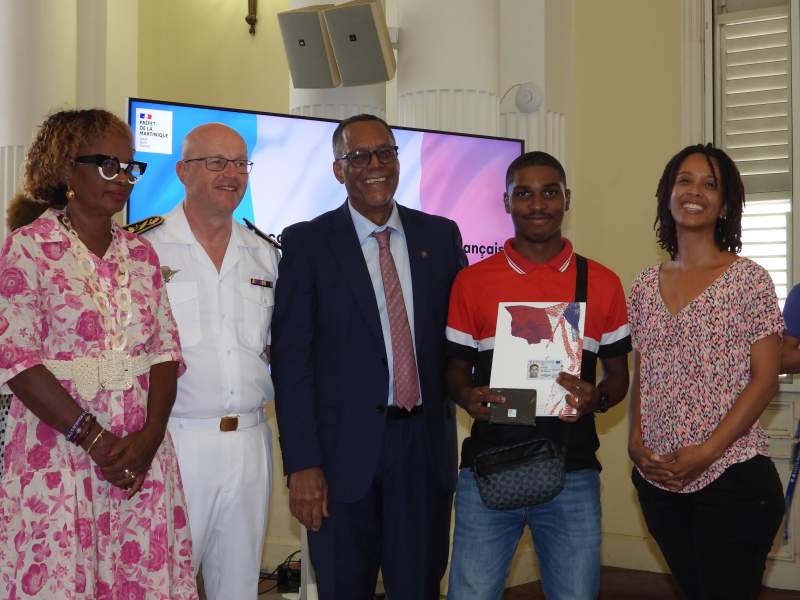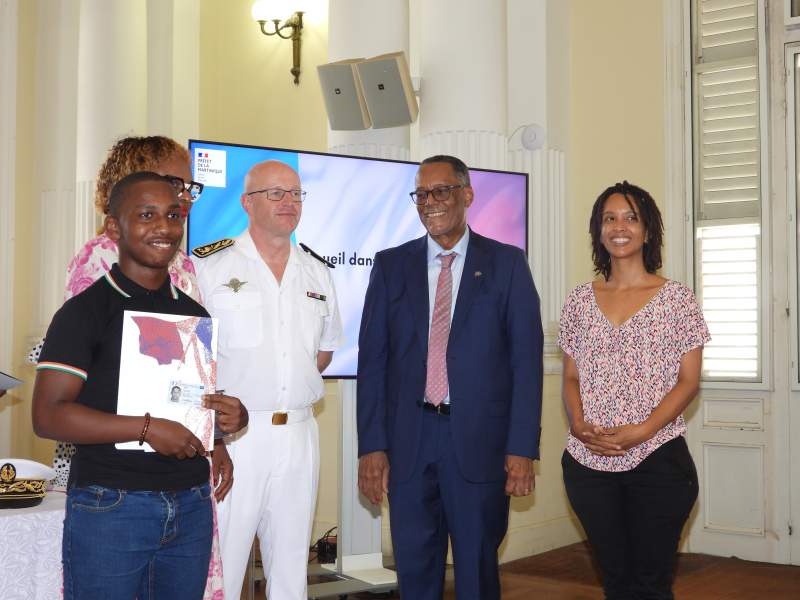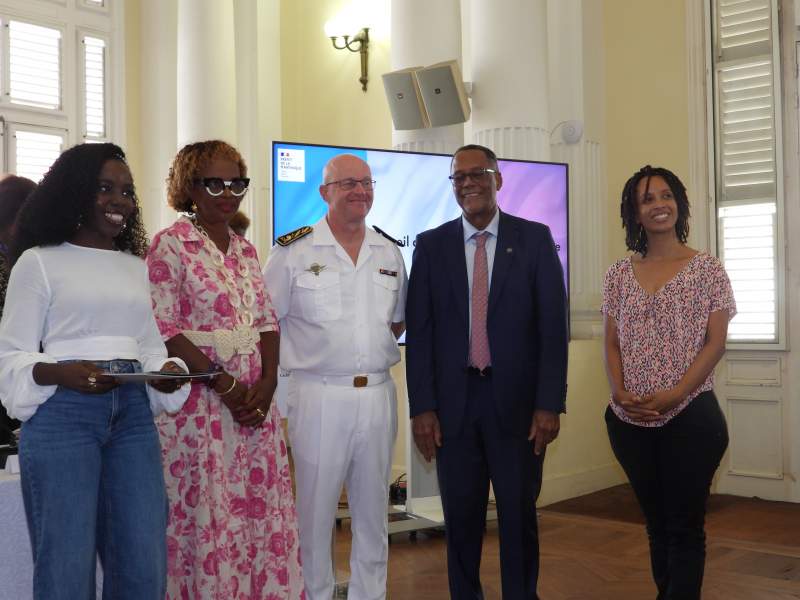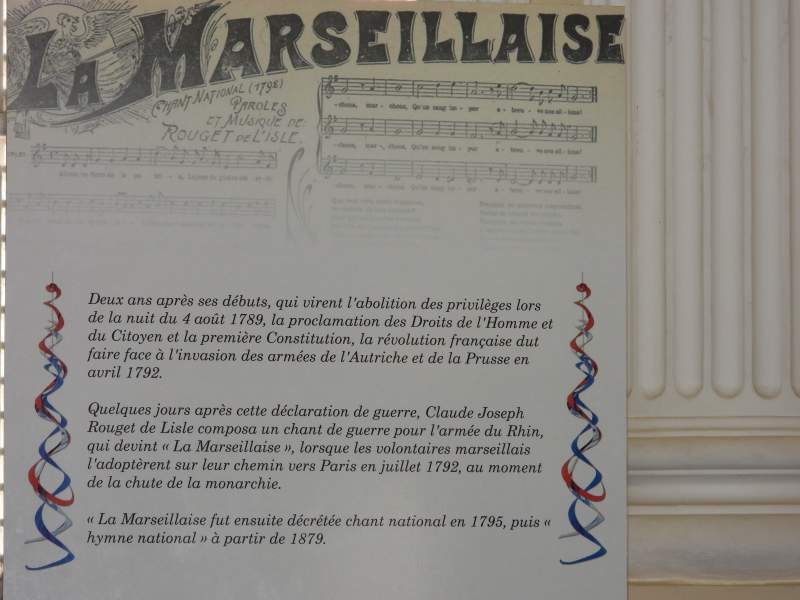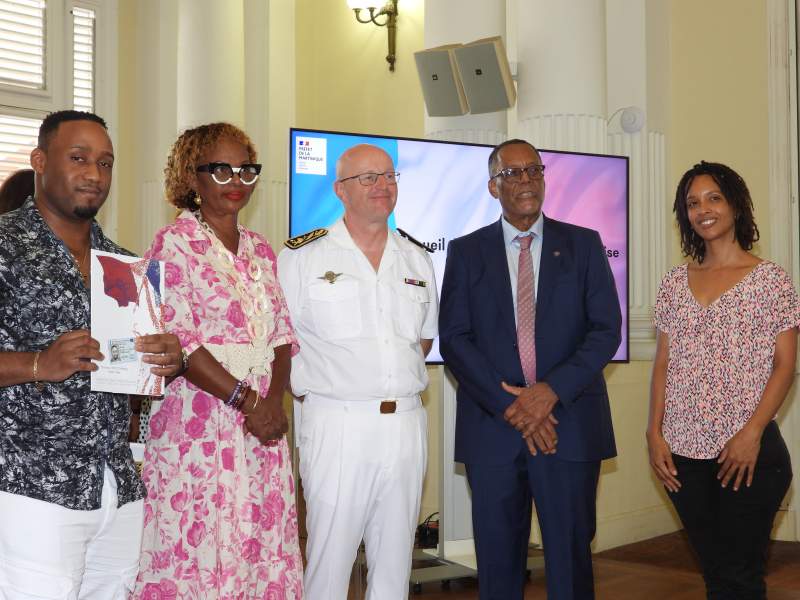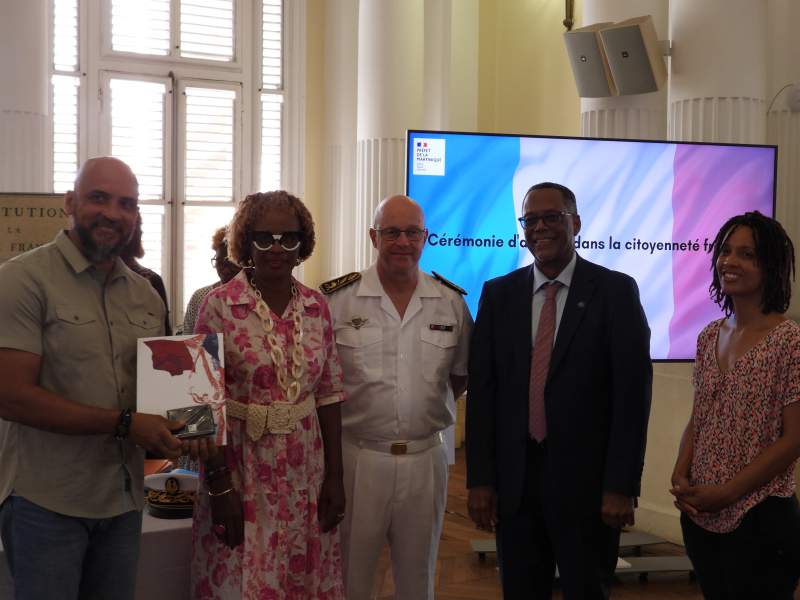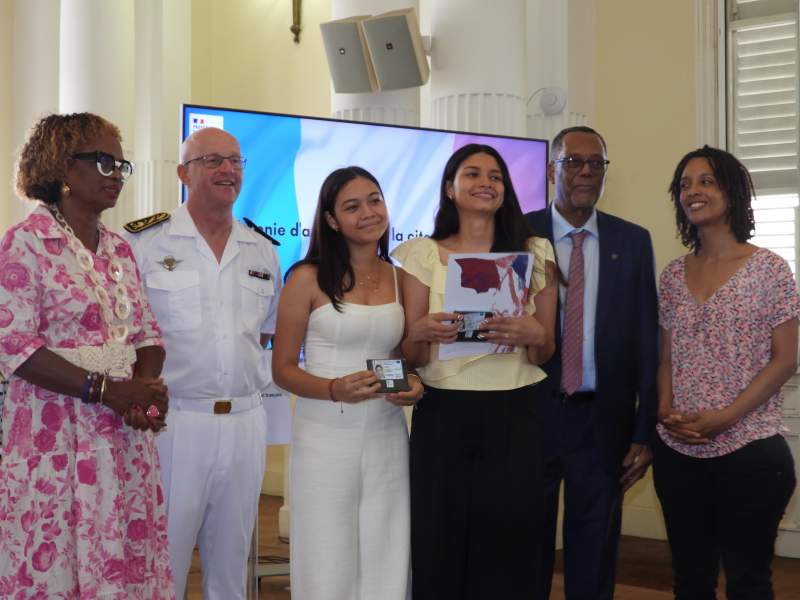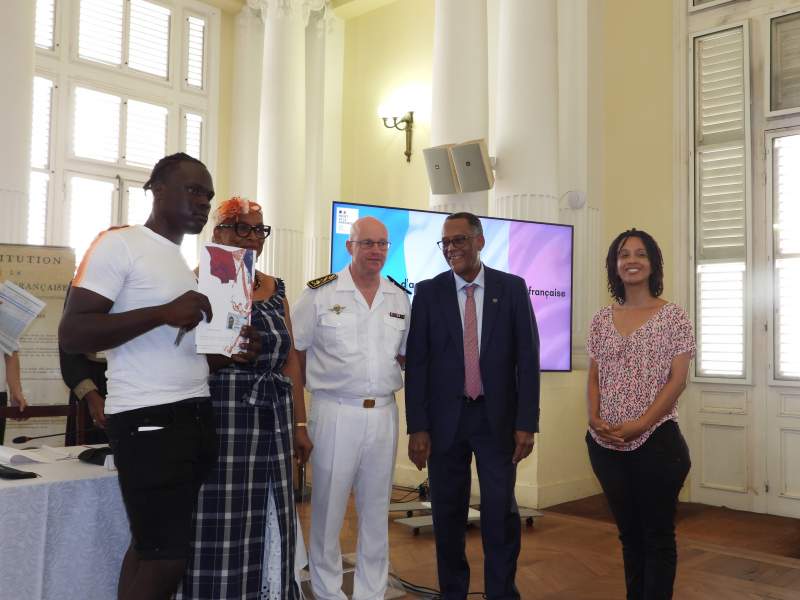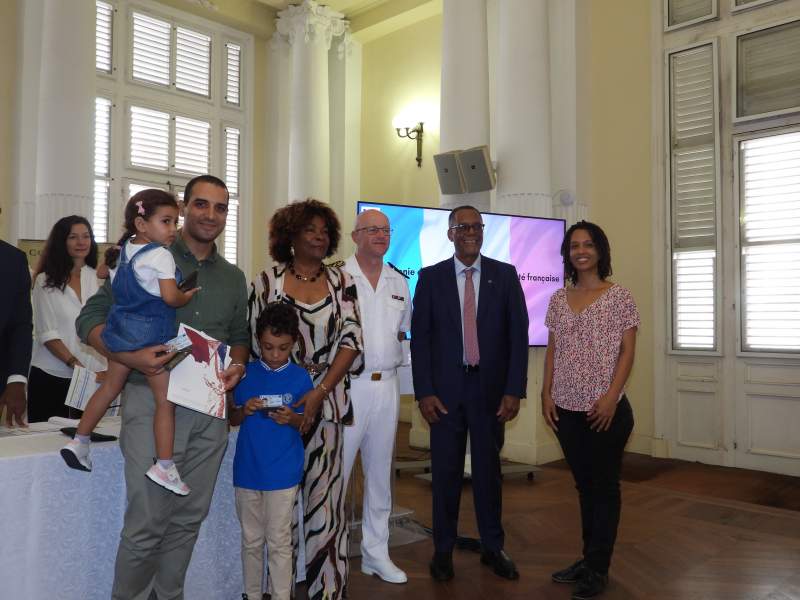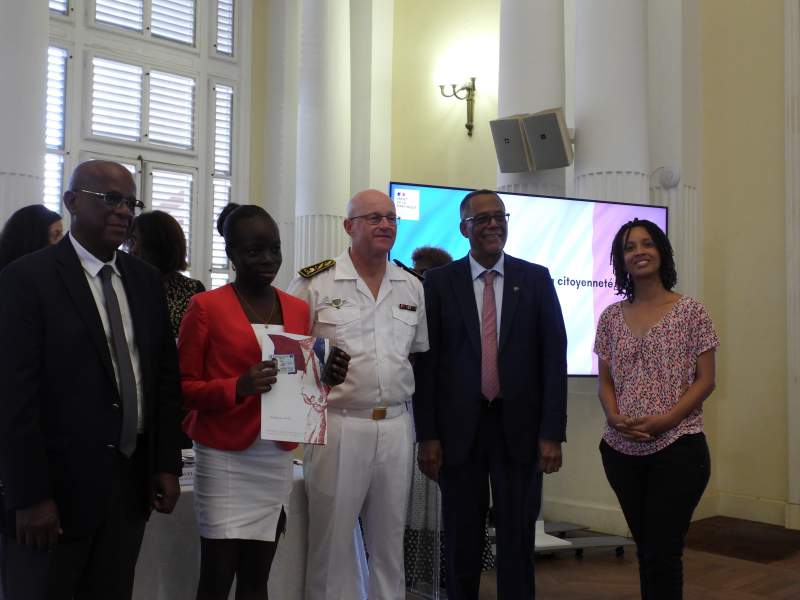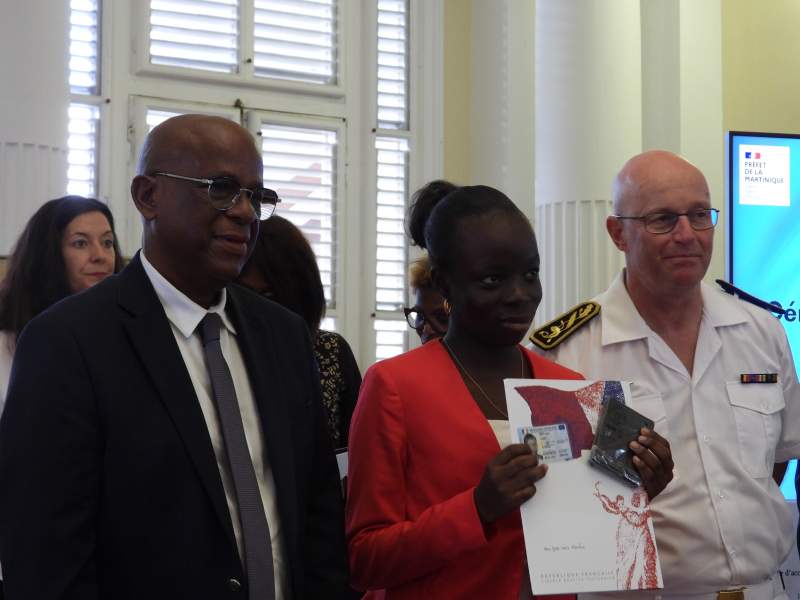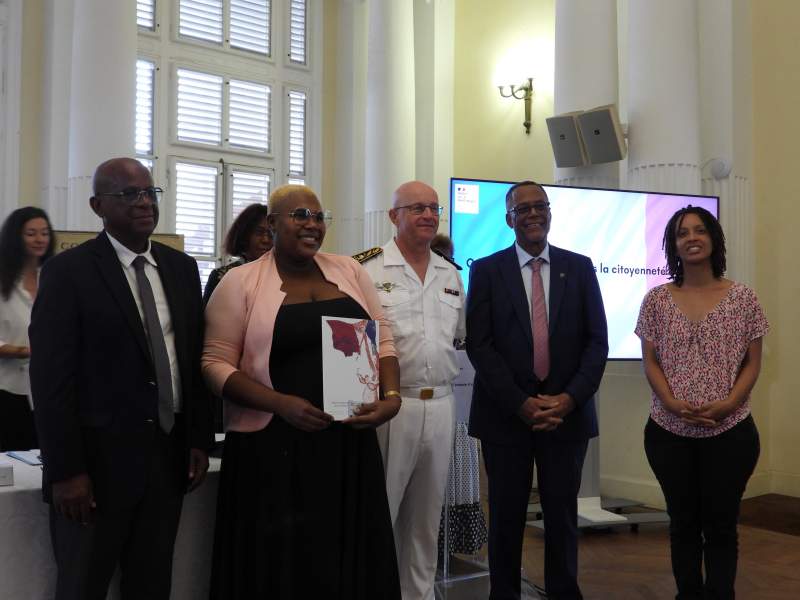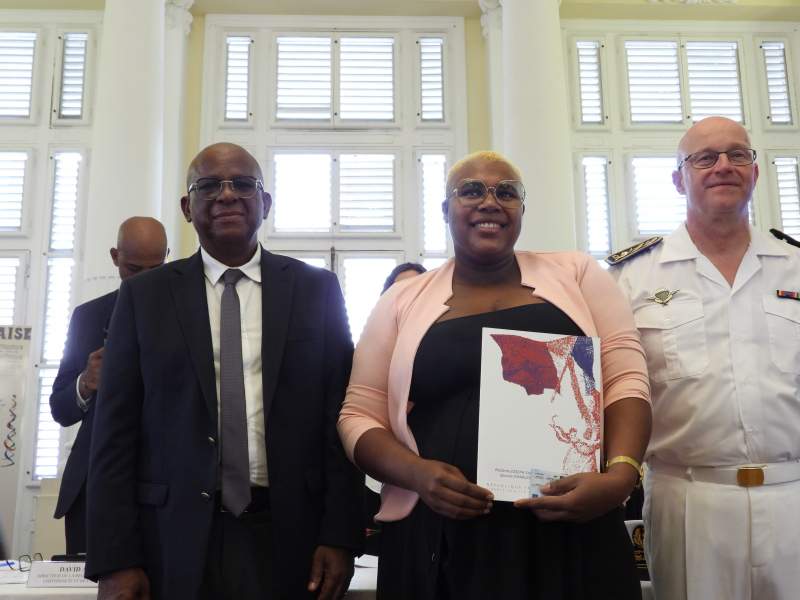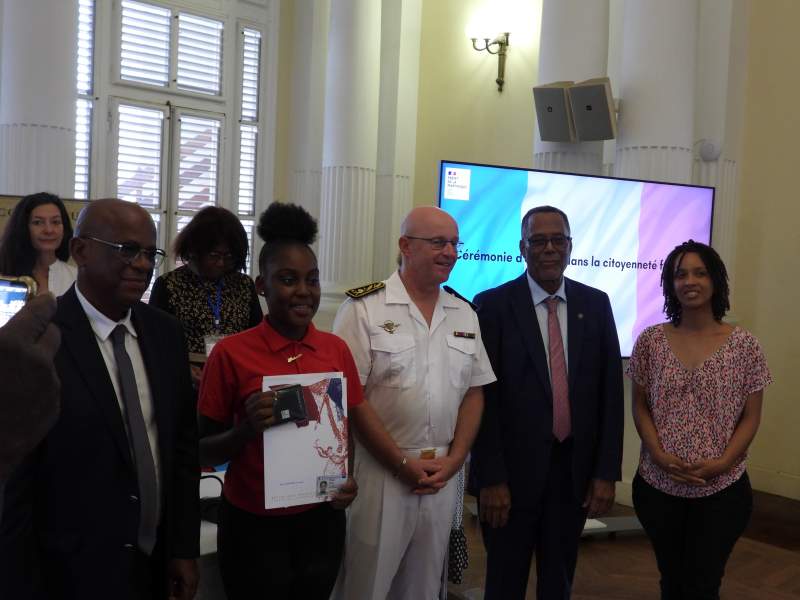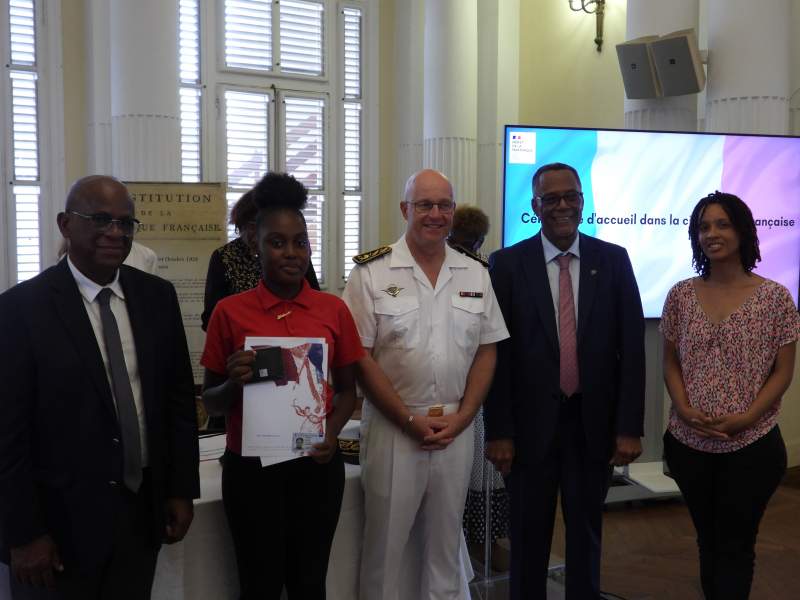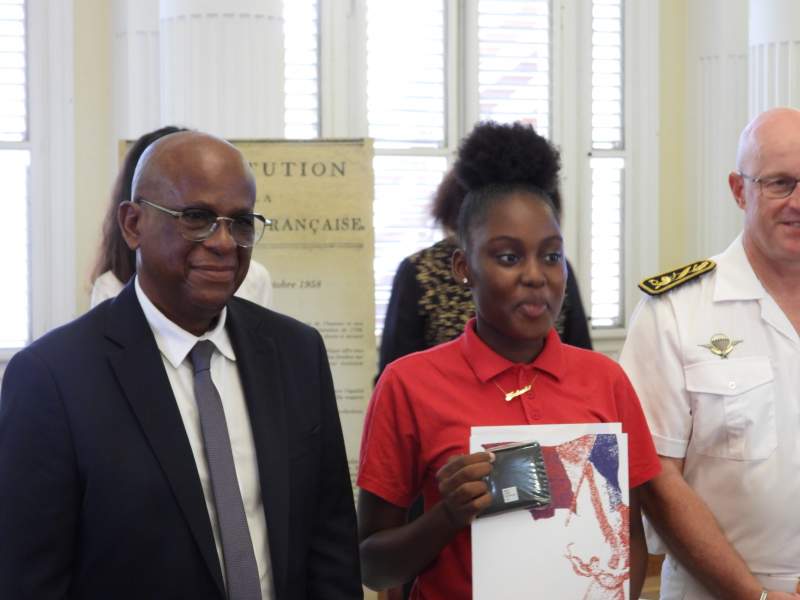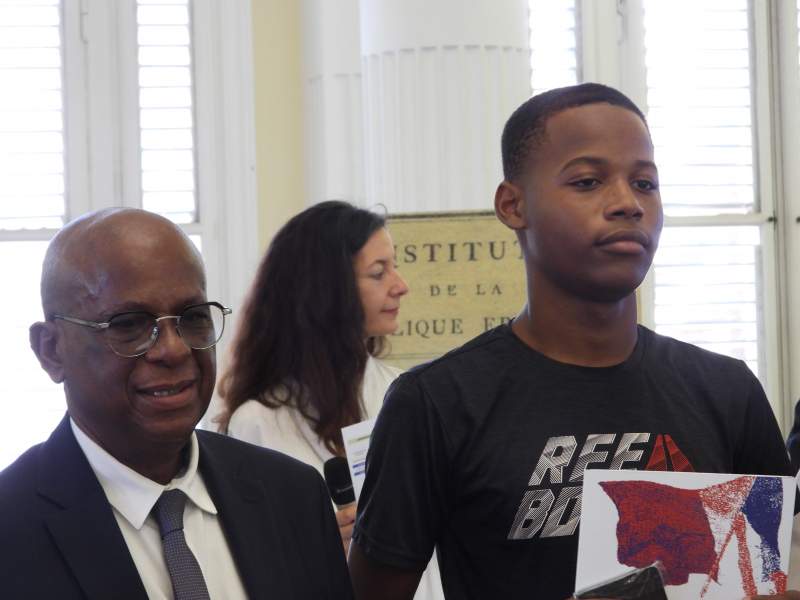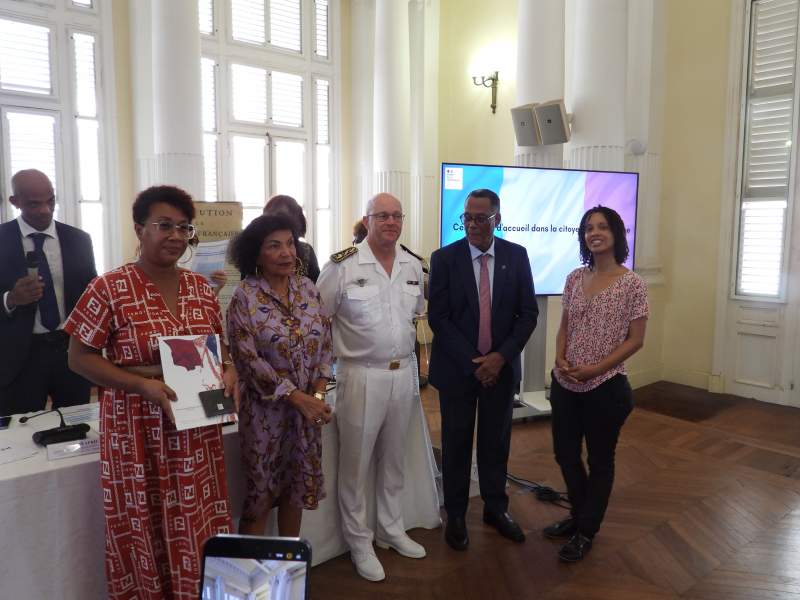



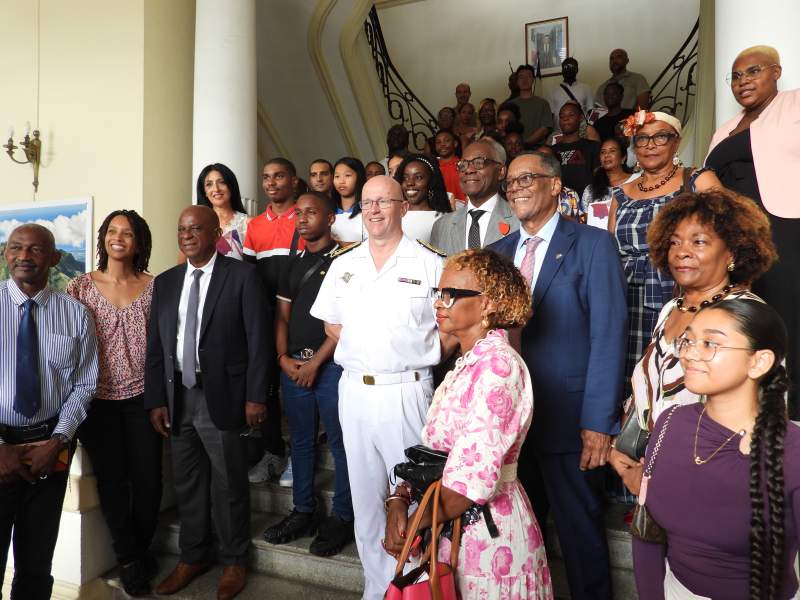
On December 4, the Prefecture of Martinique welcomed forty new French citizens—29 adults and 11 minors—from nineteen countries who now live in eleven municipalities across the territory. It was a powerful republican ceremony, marked by the symbols of the nation and the palpable emotion of those being naturalized. Following the event, we spoke with the sub-prefect and deputy secretary general of the Prefecture, Mr. Emmanuel FEVRE, who reflected on the profound significance of this transition to citizenship and on the integration journey of those joining the national community.
«For them, it's an important form of recognition.»

What does a ceremony like this mean for the prefecture and, above all, for the new citizens?
What took place today was the formal induction of new fellow citizens into French citizenship through the acquisition of nationality. The key point to remember is that what matters most is not what the prefecture considers important; what truly matters is what this ceremony represents for these individuals: a form of recognition and a place within the national community.
You could see it in their smiles, in the few words they spoke, and in the shared emotion. Becoming French citizens marks a significant milestone in their journey, and that is what we should remember.
In your opinion, what are the main challenges these new citizens face as they integrate into society?
The process of acquiring citizenship is, in and of itself, a journey of integration. They had to demonstrate their ability to master the French language, French history, and the values of the Republic.
Once they have obtained citizenship, they become full members of the national community: they have the same rights, but also the same responsibilities, as all French citizens.
The support they receive thereafter is the same as that to which every citizen is entitled. They are subject to the general laws of the Republic.
Do they have to take any exams or undergo any specific screenings as part of their naturalization application?
Yes, there are assessments conducted by government agencies, particularly regarding language proficiency, knowledge of republican values, and compliance with the requirements for integration. The process is structured and rigorous, precisely to demonstrate their ability to become part of the national community.
The 40 new citizens come from 19 countries and a variety of socioeconomic backgrounds. How does this diversity enrich Martinique?
Martinique has always been a place where people come together. Welcoming people from Algeria, Saint Lucia, Romania, Colombia, and even China means embracing different cultures, languages, skills, and life experiences. This diversity strengthens social cohesion, energizes the local economy, and fosters collective creativity. It is a source of richness, not a challenge.
What support does the government provide after naturalization?
They benefit from the support services offered to all citizens: career guidance, access to rights, and educational and social programs. Integration is a shared process: the government plays its part, but local authorities, organizations, and civil society are also involved. The goal is for them to find their place and contribute fully to life in Martinique.
What key message would you like to convey to those who are becoming French citizens today?
The main message is that they now have rights, but also responsibilities, rooted in the values of the Republic: liberty, equality, and fraternity.
In a way, they also become ambassadors. French citizens represent France; they uphold republican values. From now on, they embody these values in their daily lives.
Philippe PIED