





Source: UN
The El Niño climate phenomenon could exacerbate food insecurity in 45 already vulnerable countries, according to an analysis released Wednesday by the World Food Program (WFP). By the end of 2027, nearly 49 million more people are at risk of falling into a state of acute hunger. In response to this threat, the UN agency is immediately stepping up its preparedness and response measures.
Projections from the PAM are based on lessons learned from the previous El Niño episode in 2015–2016, which affected between 60 and 100 million people. In the 45 countries studied, the number of people facing acute food insecurity could thus rise from 225 million to 274 million by the end of 2027, an increase of approximately 22 %.
«El Niño poses a significant threat to the food security of millions of people who are already vulnerable,» said Carl Skau, Acting Executive Director of the WFP. «The sooner we help families prepare for these climate shocks, the better we will be able to save lives and protect livelihoods.»
24 million Africans Face the Threat of Hunger
Central America and Southern Africa are among the regions most at risk. East Africa and parts of Asia are also expected to see their harvests compromised by a succession of droughts, floods, and episodes of extreme heat.
In the Caribbean and South America, the WFP forecasts one of the sharpest declines in food security, with more than 16 million additional people affected. Central America is expected to see the largest relative increase among all regions studied (+83.1 %).
In East and Southern Africa, more than 18 million people could see their food security situation deteriorate, representing an increase of 26 %. Countries in Southern Africa are particularly vulnerable, as a large proportion of households depend on rain-fed subsistence farming.
In West and Central Africa, acute food insecurity could increase by 12 %, affecting nearly six million more people.
In Asia and the Pacific, an additional 8.2 million people could face acute food insecurity in several countries that are already vulnerable.
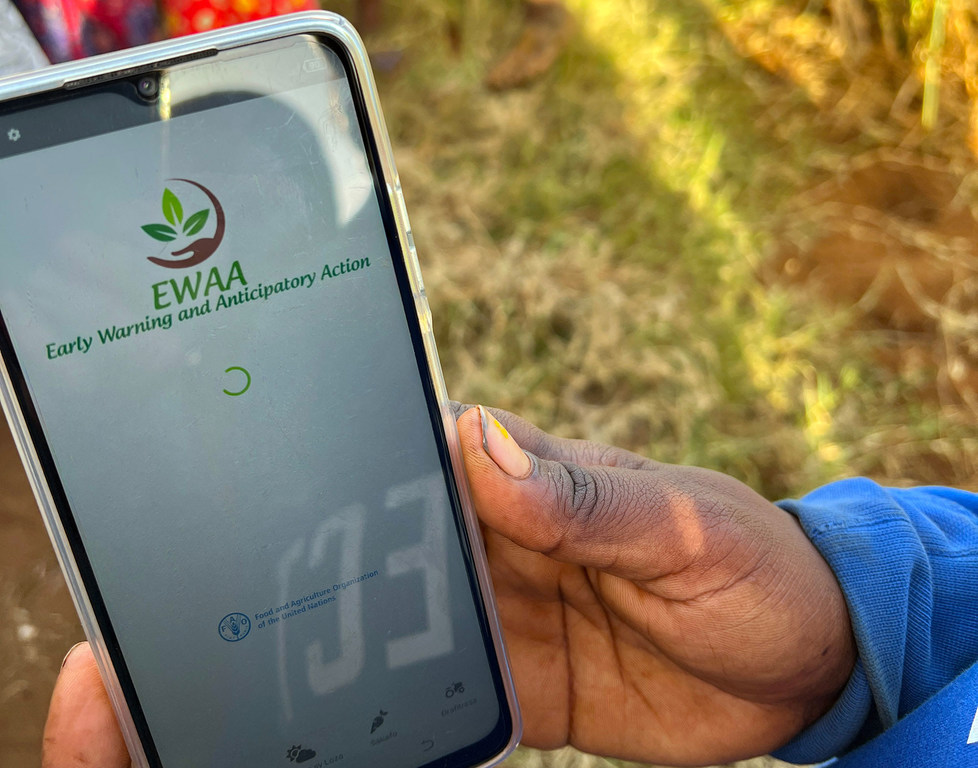
Every dollar invested in prevention saves up to seven dollars
In light of these projections, the WFP and its partners are already stepping up their preparedness measures to anticipate floods, droughts, and storms before they strike.
In close collaboration with the Food and Agriculture Organization of the United Nations (FAO), the United Nations Office for the Coordination of Humanitarian Affairs (OCHA) and other partners, the agency has developed early action plans in more than 50 countries, helps governments improve their preparedness, and supports communities in their risk reduction efforts.
Since May, the WFP has activated early response plans in South Sudan, Chad, Mauritania, Uganda, Guatemala, and El Salvador. More than $14 million has been allocated to fund vital interventions for approximately half a million people.
These interventions help communities and governments better prepare for climate-related shocks while reducing future humanitarian needs. According to the WFP, lessons learned from previous El Niño events show that every dollar invested in preventive measures saves between three and seven dollars in avoided losses and response costs.
«Severe floods and droughts can quickly plunge resilient communities into crisis. WFP is already scaling up its early-response efforts in eight countries and stands ready to go even further,» Mr. Skau emphasized.