


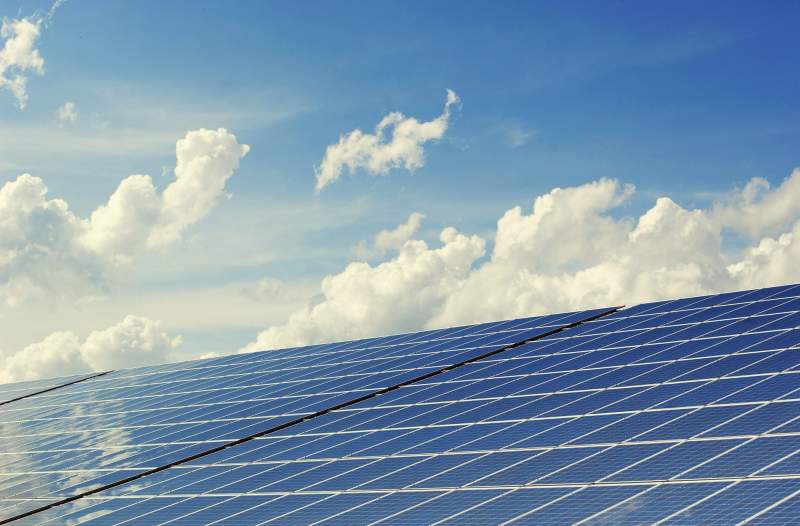
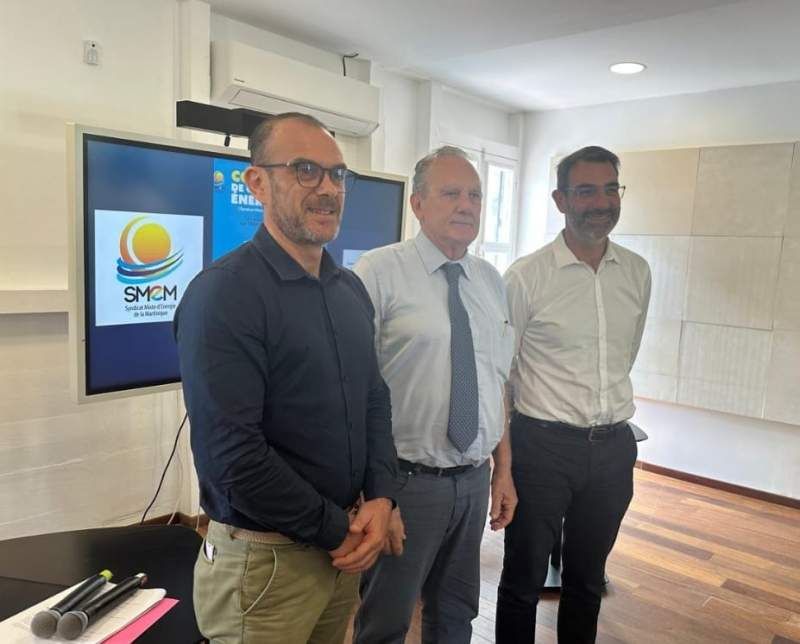
The Martinique Joint Energy Authority, EDF, and ADEME met on Thursday to take stock of energy consumption in the territory and to discuss progress on the energy transition.
What is the current state of energy consumption in Martinique? To find out, the SMEM (Martinique Joint Energy Authority) took stock of the territory’s energy situation. Working alongside it were EDF and ADEME. One phrase was on everyone’s lips: «energy transition.» « »It involves addressing various challenges, notably the territory’s dependence on imported fossil fuels, reducing production costs, utilizing renewable energy sources, and cutting back on our energy consumption,« explains Jean-François Mauro, regional director of ADEME. According to the director, these energy savings are not at odds with comfort. »Our commercial and residential buildings must be as energy-efficient as possible to offer Martinicans lower utility bills as well as a more comfortable living environment.« Jean-Philippe Mauro doesn’t stop there. He advocates for the decarbonization of transportation. »Our roads are congested. The goal is to reduce congestion and provide transportation to people who currently lack access to it. This is a massive undertaking that requires all stakeholders to get involved—particularly local governments, which have the authority and infrastructure needed to implement these measures.”
Goals That Have Not Yet Been Achieved
As a tool for steering the transition, Martinique has a multi-year energy plan (PPE). «Thanks to the data collected, we can see that the targets of the current PPE are being met to nearly 60%. » There is real room for improvement, according to the regional director of ADEME. «This applies to energy consumption related to road transportation and to residential and commercial buildings. The energy consumption target for buildings has not yet been fully met.»
The territory must contend with its insularity and dependence on fossil fuels. «Whether it’s a health, diplomatic, or economic crisis—when shipping containers don’t arrive in Martinique—the challenge is to remain resilient in the face of these kinds of situations.»
Xavier Fichau, director of EDF in Martinique, says that using less energy is good for the planet and for your wallet. The EDF Martinique director goes on to list some everyday actions: «Putting a lid on a pot uses less electricity to boil water; turning off lights; insulating your home; installing a solar water heater. » He explains that there are two ways to make electricity use more sustainable. First, produce more renewable energy, which results in carbon-free electricity. Second, use electricity outside of peak demand periods.
«SMEM has a responsibility to all the people of Martinique, since SMEM is responsible for electricity distribution. We work closely with ADEME and EDF on an ongoing basis,» says Ralph Monplaisir, president of SMEM.
Laurianne Nomel