


«In 2026, our course is clear: to consolidate our economic performance, ensure the security of the port and its terminals, accelerate the environmental transition, and strengthen our ties to the region and the city.»
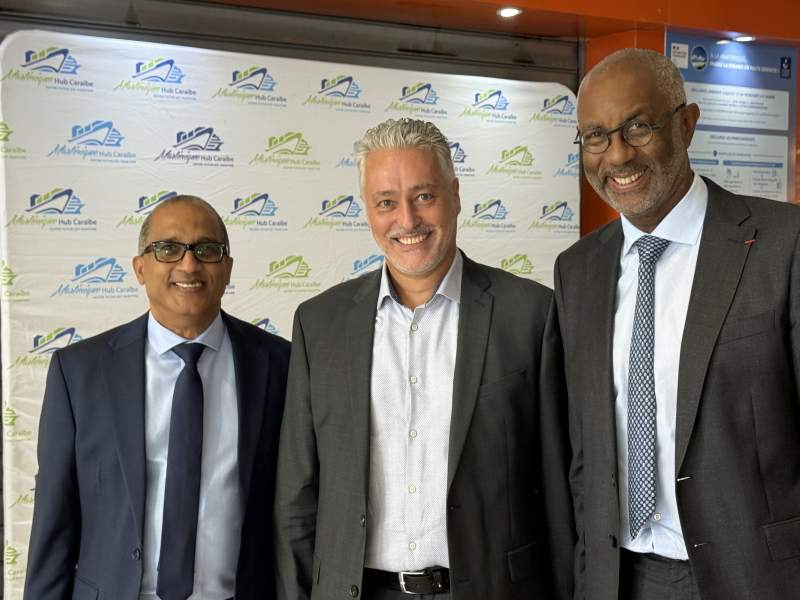
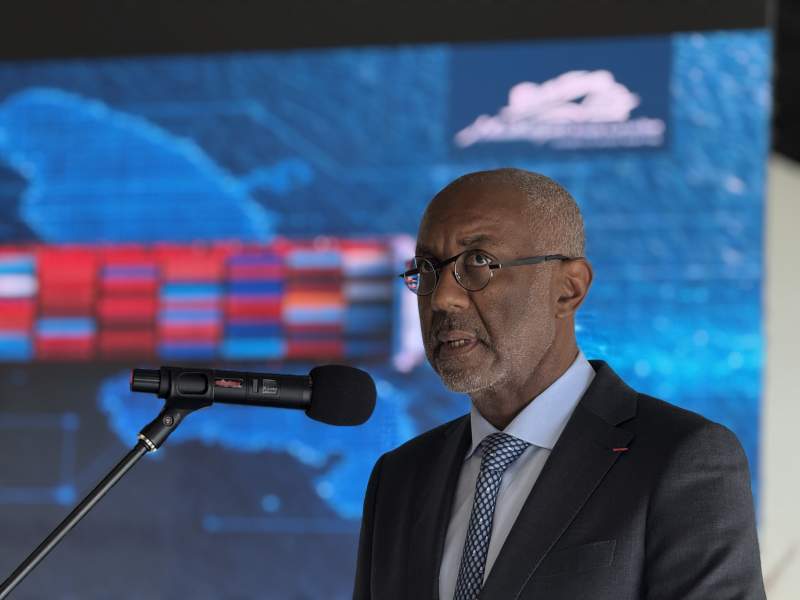
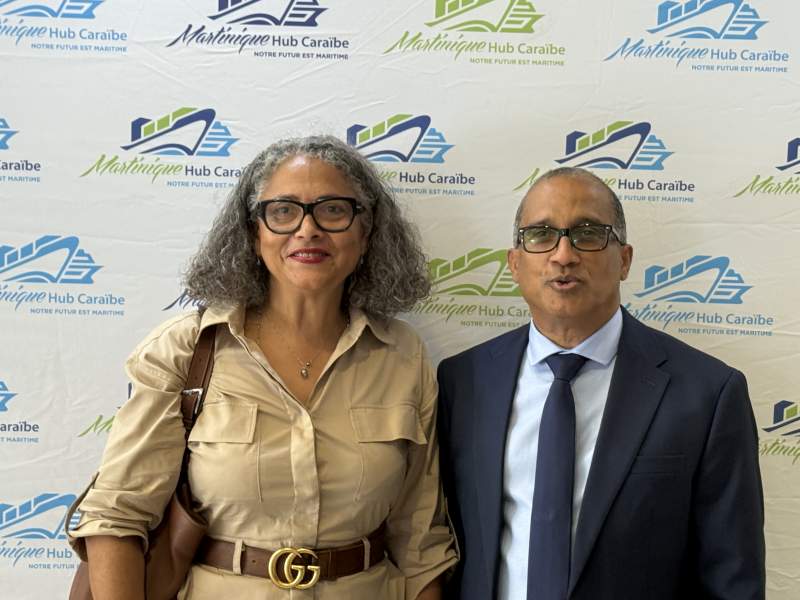
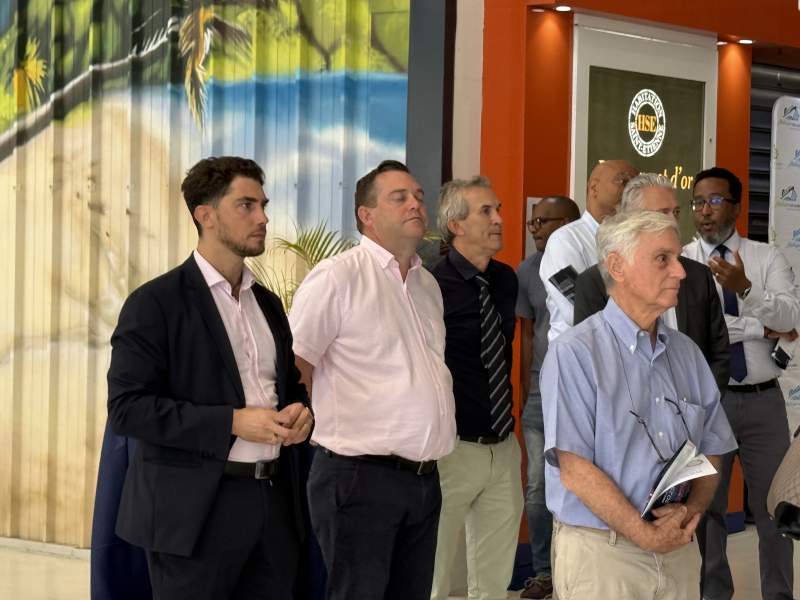
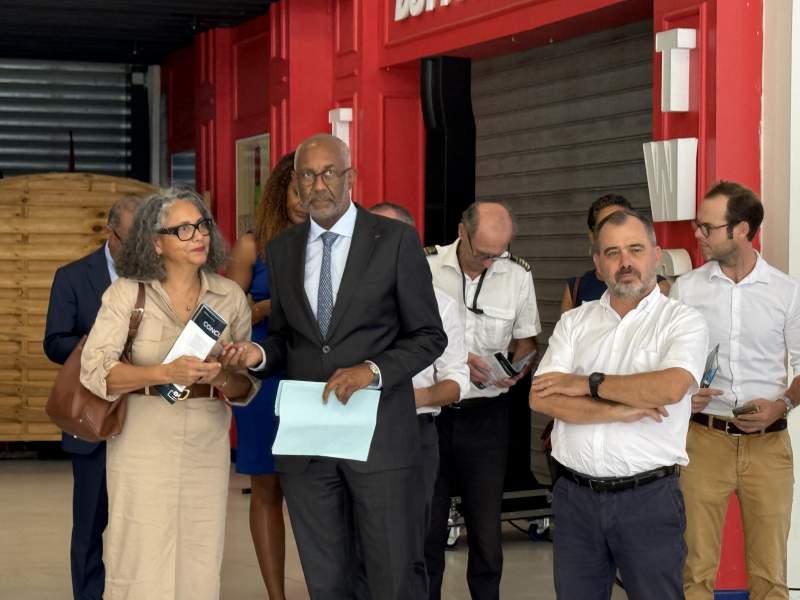
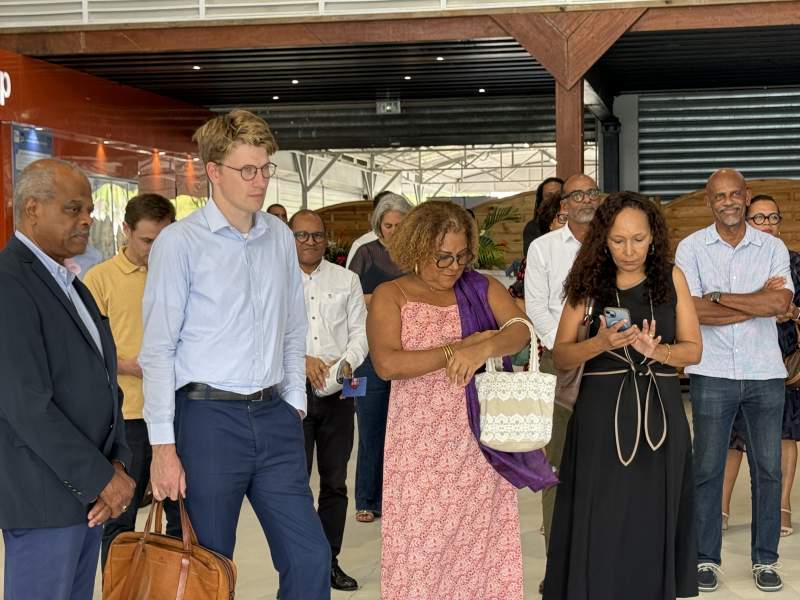
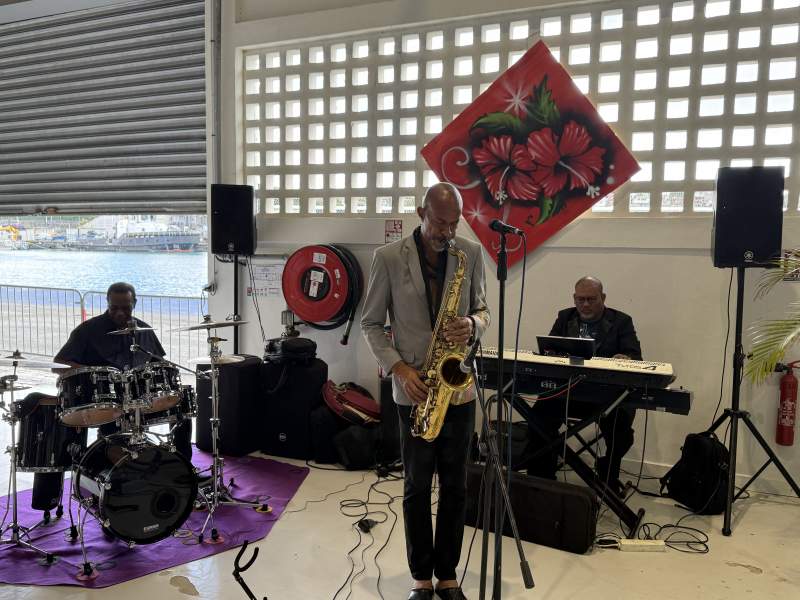
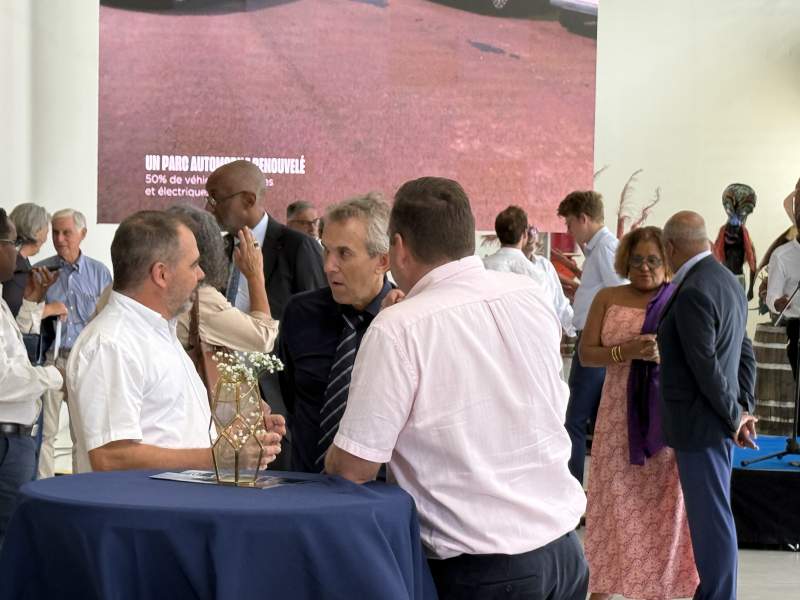
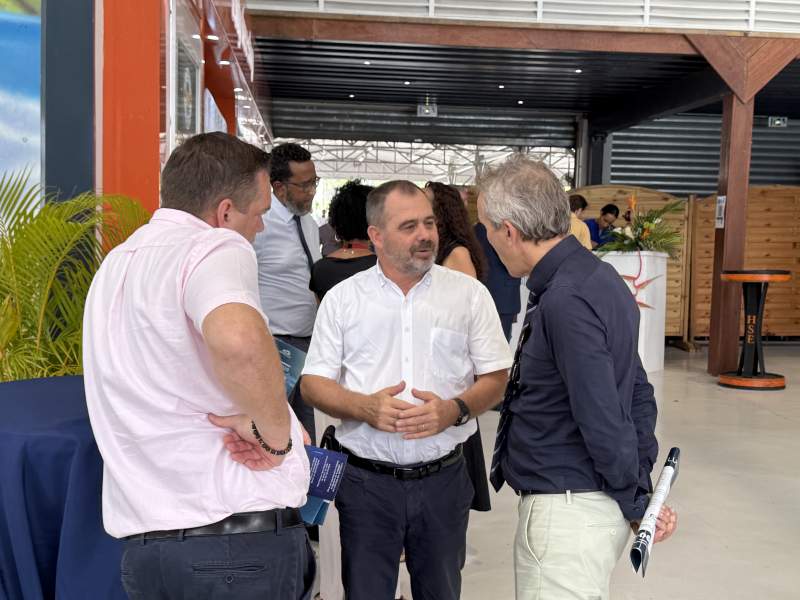
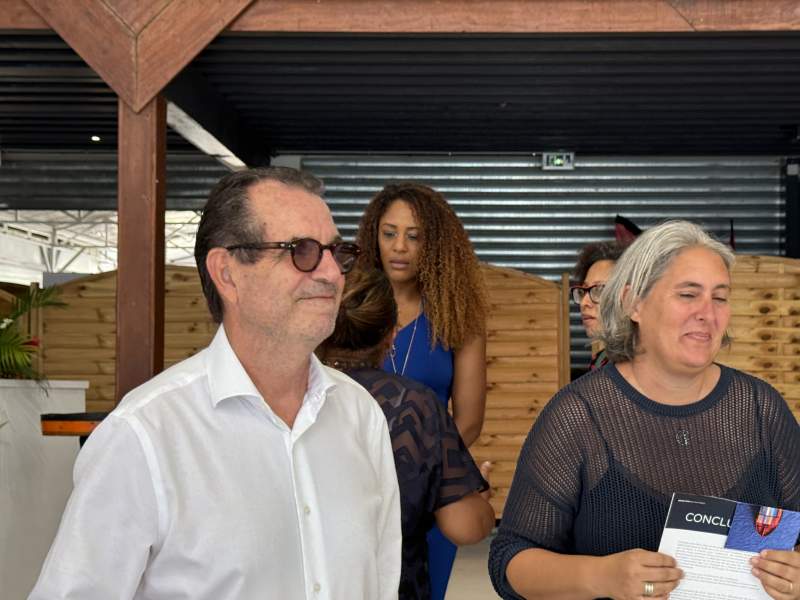
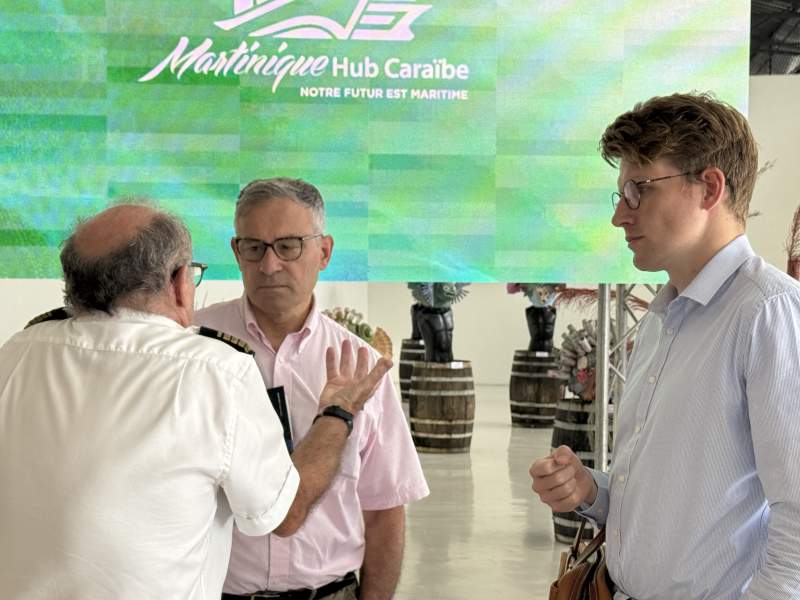
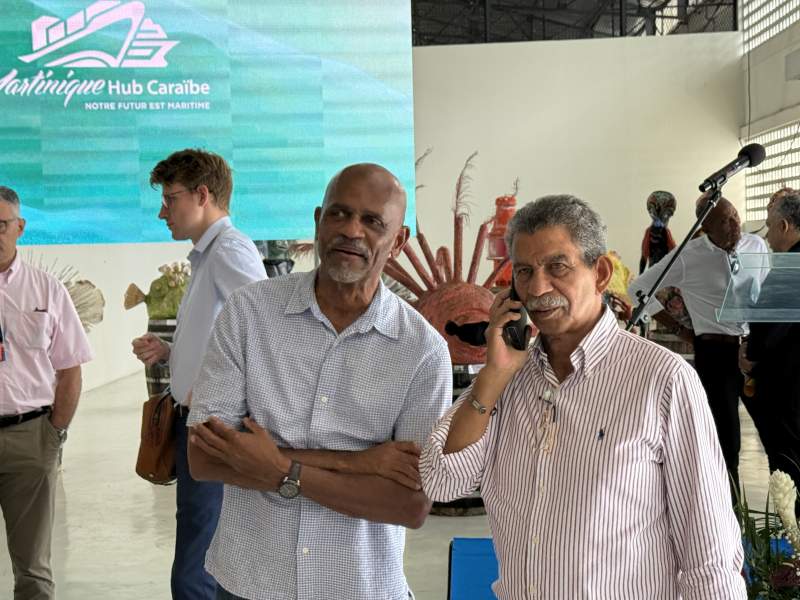
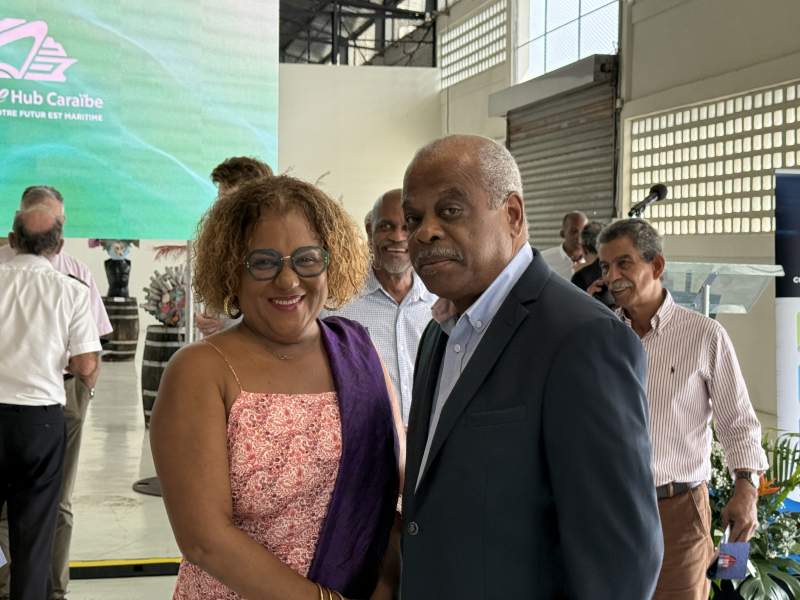
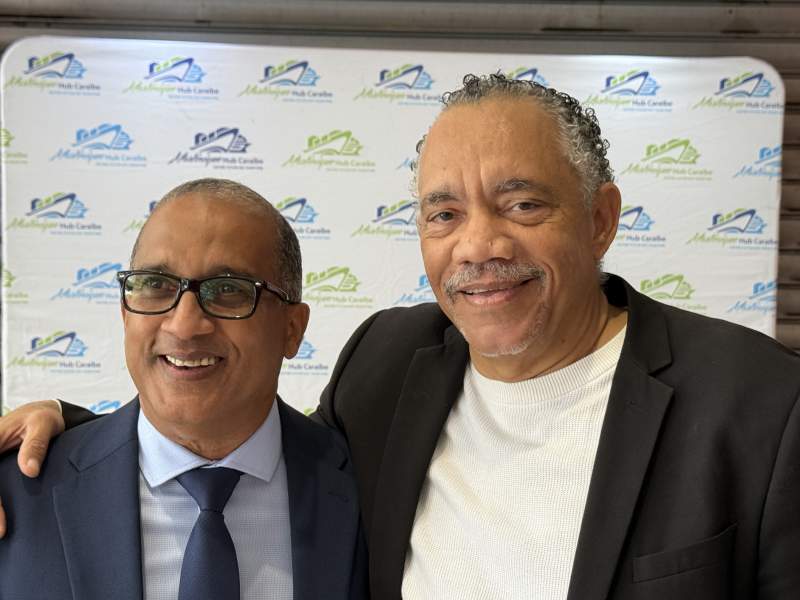
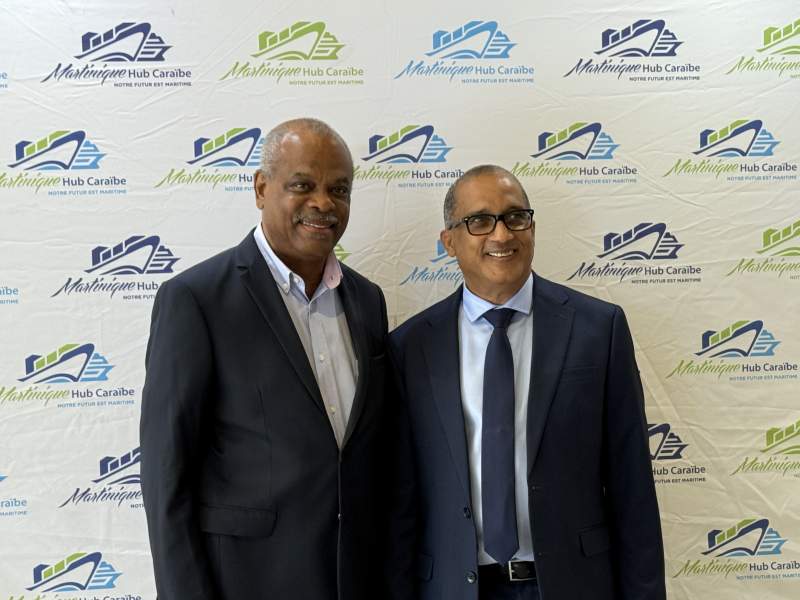
On Friday, January 23, 2026, the Grand Port Maritime de la Martinique hosted its New Year’s reception for nearly a hundred guests, including business partners, elected officials, institutional representatives, government agencies, shipping companies, and port operators. It was an event that was both symbolic and practical, during which Philippe Jock, Chairman of the Supervisory Board, then Bruno Mencé, Chairman of the Executive Board, presented a clear vision: The port must remain a strategic asset for Martinique, while accelerating its modernization, its ecological transition, and the strengthening of its security, in an increasingly challenging regional and global context.
Philippe Jock:
“Charting a Course Together Toward the Future” with a Strategic Plan for 2025–2032
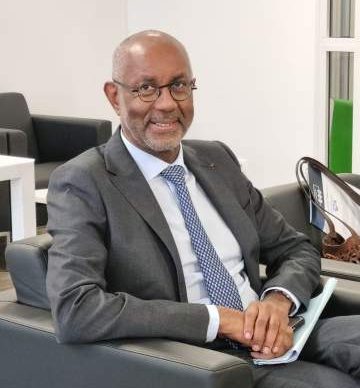
The first to speak was, Philippe Jock placed the ceremony within a broader context: that of the 2025–2032 Strategic Plan, which was recently adopted and is designed to prepare the Grand Port for the challenges of the coming years.
He summed up this milestone as three key areas, which shape the identity of the port of the future.
1) An environmentally responsible port
Philippe Jock emphasized that the ecological transition is no longer an option, but a necessity. The port intends to continue its energy transition through:
- the Smart Grid Implementation, already committed,
- the studies on offshore solar power,
- actions related to adaptation to climate change,
- and the protection of natural environments.
The message is acknowledged: Make the Grand Port Maritime de la Martinique a model for ecological transition in the region, balancing performance and responsibility.
2) A safe and reliable port that ensures the security of the region
The second issue was discussed with particular seriousness: that of the port safety and security. Philippe Jock pointed out that the port is not just a hub for logistics and transit; it is also a sensitive area, exposed to modern risks, against the backdrop of the threat of drug trafficking.
He confirmed that the necessary investments are substantial, but that they are budgeted, and that construction is set to begin in close collaboration with government agencies. He also made a point of thanking the prefect for his commitment, particularly in mobilizing the police and customs officials.
«Our responsibility is to build a port that serves the community, boosts the economy, and sets an example in its transition to sustainability.»
3) A port that creates value, is socially responsible, and serves the local community
Third priority: value creation and regional roots. Philippe Jock emphasized one objective: strengthen the port's position as a regional hub, while improving efficiency through innovation and digitalization, in order to strengthen the port’s competitiveness in the international market.
He also highlighted a factor that is often decisive in the acceptability and consistency of projects: the city-port interface. In this capacity, he welcomed the representatives from Fort-de-France, as well as those from Le Robert and Saint-Pierre, calling for the construction of a port that meets the needs of the population while respecting the environment.
The Caribbean Hub: A Concrete Step Starting in January 2026
In a highly anticipated announcement, Philippe Jock confirmed that the “hub” initiative has now entered a visible phase: The first ship from the Caribbean hub arrived on January 16, 2026, the first milestone in what is expected to be a rise to prominence.
A Heartfelt Tribute to Émile Tanic
Philippe Jock finally made a point of paying tribute to a prominent figure at the port: Émile Tanic, Secretary General of the Grand Port and a member of the Executive Board since the organization’s founding in 2012, who has since retired. He thanked him for his dedication, his thoroughness, and his expertise in handling matters, emphasizing the importance of continuity and competence within such a strategic organization.
Before concluding, he extended his personal best wishes to all the guests, calling for “Setting a Course for the Future Together”, for a stronger and more resilient port.
Bruno Mencé: 2026—“Focused on Action,” with Five Specific Commitments
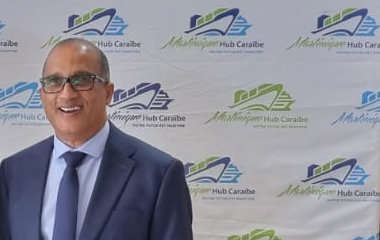
Following this strategic move, Bruno Mencé has become a central focus of our operational priorities. On behalf of the executive board and the staff, he extended his best wishes for “good health, peace of mind, and success” to all partners, noting that everyone plays a role in the port’s vitality.
He emphasized a conviction: The port is a strategic asset for Martinique, a vital link for the economy and for opening up to the Caribbean and the world. And to advance this ambition, he laid out a plan: trust and high standards.
2025: A year marked by recognition, energy… and a major accident
Before presenting the 2026 strategic priorities, Bruno Mencé reviewed several key milestones from 2025.
«We will not let any obstacle divert us from our course: modernizing the port, securing our terminals, and successfully scaling up the Caribbean hub.»
He began by recalling the initiative led by the port to to honor women in the maritime sector, on the occasion of International Maritime Women's Day. In his view, the port's performance also depends on recognizing and valuing talent.
He then highlighted the acceleration of the energy transition through the Smart Grid project and its extension with a new goal: the launch of studies on the floating solar panel, with the signing of a dedicated partnership agreement.
But Bruno Mencé also wanted to tackle head-on a topic that, in his view, concerns everyone: the gantry accident, which occurred in 2025.
He described it as a “serious” incident that has deeply affected the port, its staff, and indeed all of Martinique, as it continues to raise questions on a daily basis: “What’s going on? How are we going to get through this? Are we going to make it?”He praised the staff’s dedication and resilience, recalling a key moment: Three days after the accident, operations resumed, thanks to the courage of the teams, but also of our partners—particularly the warehouse workers and dockworkers, who were also affected because they witnessed the events.
Regarding the current situation, Bruno Mencé provided a clear “overview”:
- The port is has entered the expert review phase, through a procedure that allows for the appointment of a forensic expert,
- The expert has already begun his work, at a pace he describes as particularly intense,
- and the port is taking steps to defend its interests, with significant involvement from its legal department.
➡️ Since this is such a key topic, another article will go into more detail: “The Crane Accident: What’s the Latest?”
However, during the ceremony, Bruno Mencé wanted to convey a key message: This event does not halt the port's momentum. On the contrary, it strengthens the determination to see these transformation projects through to completion.
Encouraging 2025 Results Despite a Challenging Environment
Bruno Mencé then outlined trends that he considers to be solid:
- one 3% increase in port traffic by tonnage, around 3.2 to 3.3 million metric tons, driven in particular by solid and liquid bulk goods,
- one slight decline in containers (-2%),
- and a very clear increase in passenger traffic thanks to the cruise industry: +21%.
He described a high-profile cruise operation, “with a ship sailing almost every day,” and announced the arrival of a second ship in the lead, which is expected to be in operation throughout the season.
He did, however, point out that the cruise industry remains vulnerable and subject to external constraints. He cited a concrete example: a proposed tax of 15 euros per passenger that was ultimately withdrawn following an intervention in the Senate requested by the port. For Bruno Mencé, this illustrates a reality: Defending the interests of Martinique also requires cooperation between local stakeholders and institutional representatives.
Five Commitments for 2026: Direction, Approach, Results
For 2026, Bruno Mencé has set out a guideline: strengthen economic performance, enhance port security, accelerate the green transition, and strengthen ties to the local community. This roadmap is reflected in five commitments.
1) Remain a reliable, demanding, and committed partner
The port aims to improve its efficiency through management based on key performance indicators, sound decision-making, and a relationship of trust with its partners. The goal is to track, based on facts, the progress made toward the objectives set out in the strategic plan.
2) Accelerate the transition to a low-carbon port
This is one of the key pillars for 2026. Bruno Mencé outlined two flagship projects:
- The Smart Grid, which has entered the operational testing phase, with an inauguration expected in June. He announced a significant goal: reduce dependence on fossil fuels by approximately 50% at the Pointe des Grives terminal.
He also emphasized the importance of resilience: in the event of a power outage, the system must ensure business continuity for a projected period of approximately fifteen days by powering several essential pieces of equipment. - Floating Solar Panels, a project dubbed “Soleil Bleu,” aimed at installing a solar power plant on the water. Bruno Mencé acknowledges the bold nature of the project in a hurricane-prone environment, but emphasizes the commitment to innovation and success.
3) Make the Caribbean hub a strategic asset for Martinique
Third commitment: the hub. Bruno Mencé confirmed this: the goal has not been abandoned; it is underway and will gradually gain momentum. The gantry crane accident has impacted certain operational capabilities, but the port has a work plan in place to move forward in a structured manner through 2026 and 2027.
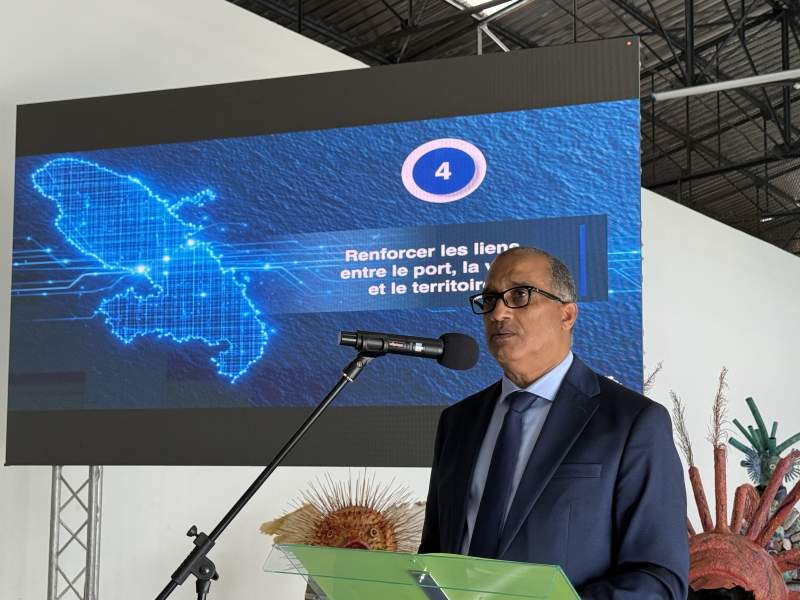
4) Strengthen the ties between the port and the region
The port aims to strengthen its integration into the local community. Bruno Mencé emphasized that this is not just about Fort-de-France: the dialogue must also include the municipalities where the port has interests. A commission, chaired by the mayor of Fort-de-France, is to meet soon to put this plan into action.
5) Ensuring terminal security: an “essential” commitment”
Bruno Mencé strongly emphasized this last point: security is a key issue. He described an ongoing effort with government agencies to improve security at the terminals, starting with Pointe des Grives—identified as the most vulnerable site—and then expanding the initiative to the other terminals.
He announced a monitoring method: a monthly task, to ensure that the established objectives do not remain merely theoretical, and that everyone “does their part”—at both the operational and strategic levels—with monitoring also carried out by the supervisory board.
A ceremony that marks a profound transformation
In the end, these 2026 New Year’s greetings turned out to be much more than a mere formality. They reaffirmed a direction: the Grand Port Maritime de la Martinique aims to build a more robust, modern, and protective model.
Energy transition, the rise of the Caribbean hub, integration into the region, and security requirements: the port’s governance follows a consistent approach, guided by a simple underlying principle: ensure a continuous supply, strengthen competitiveness, and prepare for the future, in a maritime world where performance can no longer be conceived without responsibility.
Philippe Pied
A FEW PICTURES…