


Some voices are disturbing because they speak the truth.
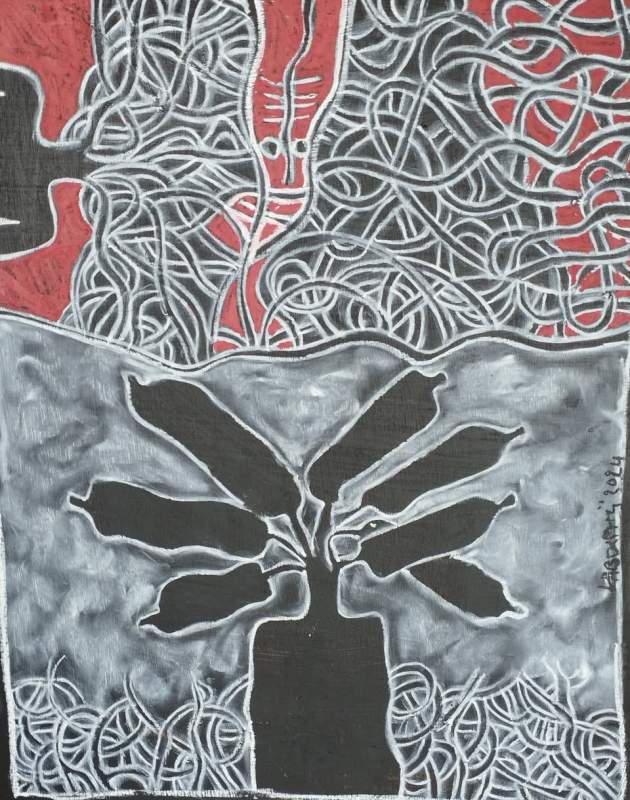
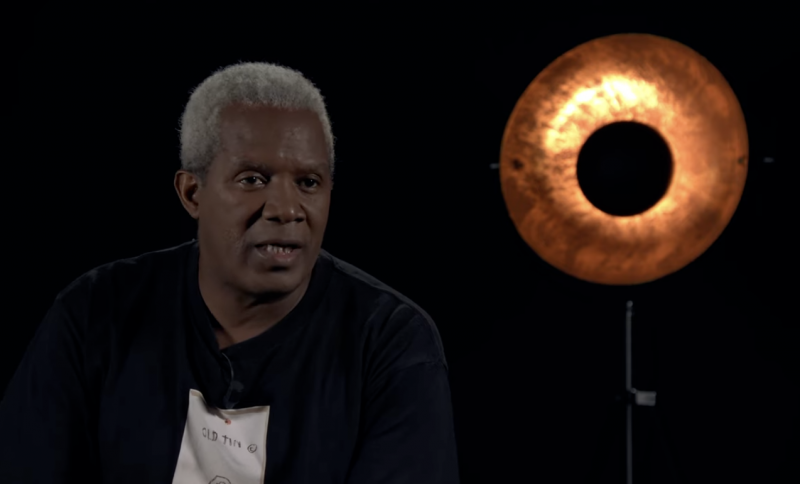
Habdaphai, a renowned artist from Martinique and a key figure in the Caribbean visual arts scene, is one such artist. On his Facebook page, he chose to speak out—unfiltered and without mincing words—to defend Martinican contemporary art against what he considers a double blow: the indifference of some and the bad faith of others.
In his post on social media, the artist directly attacks the «pseudo-revolutionaries» who exploit Martinique’s painful history to stifle any new cultural momentum. With passion and clarity, he defends the essential role of patrons, foundations, and exhibition spaces in building a viable artistic ecosystem on the island. In particular, he cites the Clément and Bernard Hayot Foundation as an organization to be commended rather than vilified.
This heartfelt cry—as much a call for collective responsibility as anything else—deserved to be shared and amplified. Antilla presents it here in its entirety, just as Habdaphai wrote it, with his characteristic strength and conviction.
Philippe PIED
Op-Ed — Habdaphai (via Facebook)
It is paradoxical—even disconcerting—to observe that individuals who have never set foot in an art exhibition, who know nothing about the living conditions of contemporary artists in this region, dare to pass hasty judgments on figures such as Bernard Hayot. Through his initiatives, this visionary entrepreneur fosters beauty, disseminates knowledge, and breathes new life into exhibition spaces with exemplary professionalism. Thanks to his commitment, artists from the French West Indies and the Caribbean have finally found a platform to exist, express themselves, and shine in Martinique.
Contrary to unfounded accusations, this is not a matter of forced consent or the reproduction of an oppressive system. On the contrary, it is an authentic exchange among Martinicans, a synergy that transcends social and ethnic divides. These detractors, who do not even deign to glance at a postcard or an artistic statement, reduce contemporary Martinican art to a mere reference to the plantations. Yet art here is not limited to a painful legacy: it denounces, asserts, and rebels, but it also inspires and celebrates this land and its people.
Every time Martinique attempts to transform its artistic landscape, a cohort of pseudo-revolutionaries rises up, brandishing moralizing lessons that plunge us back into the evils of slavery, colonization, and alienation. These individuals would like to keep the people of Martinique in a state of intellectual stagnation, as if art were meant to remain trapped in a laboratory of past suffering. Their narrow-minded view deliberately ignores the reality of artists, their practical needs for creating, and the crucial importance of supporting local artistic production.
Yet Martinique is teeming with exceptional talent, often stifled by the jealousy and pathological hatred of their own compatriots. The visual artists, sculptors, and performance artists of this island are engaged in a constant struggle—a struggle that extends from the national to the international stage. Despite the obstacles, they persevere, driven by the power of exploration, the sharing of knowledge, and an unwavering determination to advance their cause.
The Clément Foundation, for example, embodies this virtuous cycle. When an artist from Martinique is invited to participate, they collaborate with local professionals who provide them with the resources to bring their works to life, in an atmosphere of mutual respect and recognition of their work. In this way, hundreds of young people in Martinique are introduced to contemporary art, come to understand the motivations of artists, and open themselves up to new perspectives. There is no coercion or pressure—only a proactive approach aimed at enriching the island’s cultural heritage.
It’s time to move beyond stereotypes and recognize that Martinique, with all its diversity—whether Béké, Indian, Métis, or otherwise—is a land of rainbow men and women. These communities, far removed from the binary clichés of black and white, form a unique human mosaic capable of producing events of unparalleled richness. Every artistic initiative is a celebration of this local expertise and a tribute to this region and its people.
The scathing criticism, often tinged with pettiness and selfishness, sometimes comes from those whose legacies are crumbling, eroded by their own greed. They would rather see Martinique stuck in its historical pain than acknowledge the vitality of its contemporary creative scene. Yet art here is not merely entertainment: it is an economic driver, a social catalyst, and a source of regional pride.
Imagine for a moment that every major company in Martinique adopted a policy of acquiring local artworks and set aside space to exhibit them. The island’s art market would be revolutionized. Artistic creation would be stimulated, regional pride would soar, and the economic benefits would be considerable—not only for artists, but also for all the professions connected to contemporary art.
The Clément and Bernard Hayot Foundation, following in the footsteps of Aimé Césaire in his day, has taken a giant leap forward. It is now up to us—economic actors and drivers of development—to capitalize on these niches of opportunity to overcome our collective timidity and finally accept ourselves as we are. In Martinique, art is not the preserve of an elite: it belongs to everyone.
This is not about politics or rewriting history, but rather about sharing, knowledge, and beauty. Venues like the Clément Foundation offer a neutral platform where local residents and visitors alike can discover powerful artistic expressions, bold initiatives, and a creative energy that transcends borders.
Martinique has everything it needs to become a cultural beacon in the Caribbean. To achieve this, we must put an end to fruitless squabbles, open up spaces, and invest in creativity. The artists of this island, through their resilience and genius, deserve far more than malicious criticism: they deserve recognition, support, and a central place in the story of Martinique.
Contemporary art in Martinique isn’t just «cool»—it’s essential. It speaks out, it moves us, it transforms us. And above all, it unites us. It’s up to us to seize this opportunity to write, together, a new chapter in our history.
An op-ed originally published on the Facebook page of Habdaphai, a visual artist from Martinique.